
Sports Turf Installation Throughout the Inland Empire
Professionally engineered artificial sports turf systems for football fields, soccer fields, baseball diamonds, softball complexes, athletic training facilities, schools, parks, and recreational sports complexes. Our premium athletic turf systems deliver year-round playability, superior drainage, athlete safety, and long-term durability throughout Southern California.
Serving Riverside, San Bernardino, Ontario, Corona, Rancho Cucamonga, Fontana, Moreno Valley, Temecula, Murrieta, Menifee & surrounding Inland Empire communities.
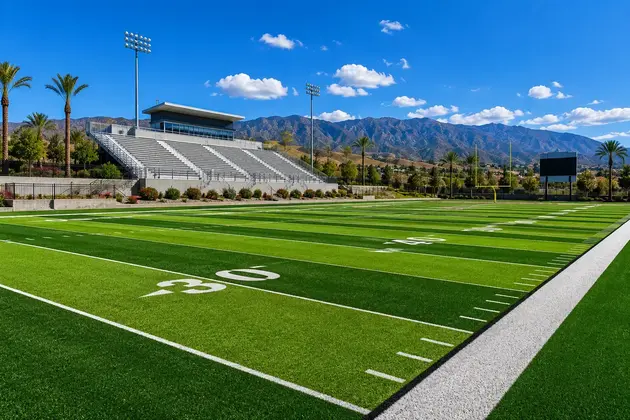
Why Modern Athletic Facilities Are Choosing Artificial Sports Turf
Athletic facilities require playing surfaces that remain safe, consistent, and visually appealing despite heavy daily use. Natural grass fields often struggle with worn goal mouths, muddy sidelines, irrigation restrictions, uneven playing conditions, and expensive landscape maintenance requirements. Professionally installed sports turf provides a reliable surface that supports year-round practices, games, tournaments, and recreational activities with significantly less maintenance.
Today's athletic turf systems are engineered to deliver predictable footing, consistent ball performance, efficient drainage, and long-term durability across football fields, soccer pitches, baseball diamonds, softball complexes, multi-purpose athletic fields, and training facilities. Every installation begins with proper site engineering because long-term performance depends on the quality of the drainage and foundation system beneath the turf.
Our sports turf installation process focuses on engineered excavation, aggregate base preparation, drainage engineering, precision grading, premium synthetic turf, professional seam construction, athletic field striping, and performance-focused infill systems that help facilities maximize field availability while minimizing ongoing maintenance costs.
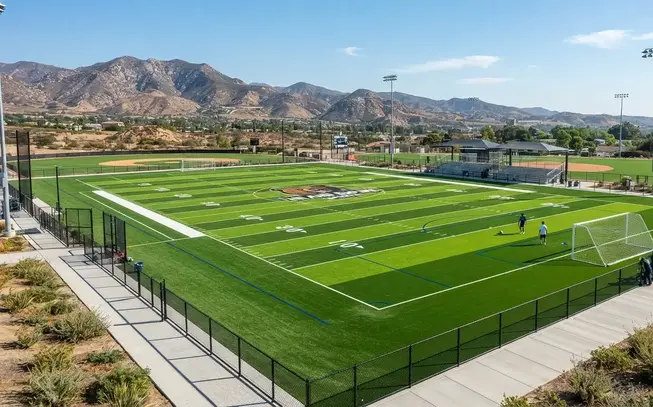
Professionally engineered sports turf systems provide Inland Empire athletic facilities with durable, high-performance playing surfaces designed for football, soccer, baseball, and multi-sport applications.
Sports Turf Installation Challenges in the Inland Empire Climate
Athletic facilities throughout the Inland Empire face unique environmental conditions that directly impact sports turf performance. Extreme summer heat, intense UV exposure, compacted soils, seasonal storms, and heavy athletic usage all require properly engineered turf systems designed specifically for Southern California conditions.
Extreme Heat & UV Exposure
Cities throughout Riverside and San Bernardino counties experience prolonged periods of intense sunlight and high summer temperatures. Athletic turf systems must be designed with durable synthetic fibers, appropriate infill materials, and proper installation techniques to maintain appearance, performance, and long-term reliability under constant sun exposure.
Regional Soil Conditions
Many athletic facilities throughout the Inland Empire are constructed over native soils that may include compacted clay soils, dense subgrades, or areas with limited natural drainage. Proper excavation, grading, and aggregate base construction are critical for preventing settlement, uneven surfaces, and drainage problems beneath the turf system.
Seasonal Storm Drainage
Although Southern California receives limited annual rainfall, intense storm events can quickly expose poorly designed drainage systems. Professionally engineered sports turf installations use proper grading and drainage layers to move water efficiently away from the playing surface and reduce weather-related field closures.
Heavy Athletic Traffic
Schools, parks, sports complexes, and training facilities experience thousands of hours of athlete activity each year. Sports turf systems must be constructed with stable foundations, durable turf materials, and performance-focused components capable of handling repeated use without premature deterioration.
Precision Field Requirements
Athletic fields require accurate dimensions, consistent elevations, proper slopes, and predictable surface characteristics. Professional grading and field layout ensure reliable ball response, athlete footing, and performance across the entire playing area.
Athlete Safety Considerations
The Inland Empire's climate and heavy-use conditions make proper field engineering essential. Shock absorption, traction, drainage, and surface consistency all depend on the quality of construction beneath the turf itself.
Successful sports turf installation requires understanding local environmental conditions. By accounting for Inland Empire heat, soil characteristics, drainage requirements, and athletic demands, properly engineered turf systems provide safer, more durable, and more reliable playing surfaces.
Why Athletic Field Engineering Determines the Long-Term Performance of Sports Turf
Professional sports turf installation involves far more than laying synthetic grass across a prepared surface. Every football field, soccer pitch, baseball complex, school athletic facility, and municipal sports park relies on engineered site preparation beneath the turf to deliver consistent playability, athlete safety, rapid drainage, and long-term structural stability. While the finished turf receives the most attention, the hidden foundation below the surface ultimately determines how the field performs for years to come.
Every athletic field presents unique engineering challenges. Existing soil conditions, drainage capacity, intended sports, traffic levels, environmental exposure, field dimensions, and future maintenance requirements all influence how the field should be designed. Proper engineering creates a stable athletic surface capable of supporting thousands of hours of practices, games, tournaments, and community events while minimizing maintenance and maximizing field availability.
These are the primary engineering components that separate a professionally constructed sports turf system from a basic artificial grass installation:
-
Complete Site Evaluation & Existing Soil Analysis
Every successful athletic field begins with understanding existing site conditions. Native soils, slope, drainage characteristics, compaction levels, irrigation infrastructure, and elevation changes all influence excavation depth and foundation design. Identifying potential issues before construction begins helps prevent costly settlement, drainage failures, and uneven playing conditions after installation. -
Precision Field Layout, Surveying & Laser Grading
Athletic fields require extremely consistent surface elevations to provide predictable ball movement, athlete footing, and proper drainage. Laser-guided grading allows contractors to establish accurate slopes while maintaining regulation field dimensions and eliminating low spots that could collect water or create inconsistent playing conditions. -
Engineered Aggregate Base Construction
The aggregate base functions as the structural foundation of the entire sports turf system. Carefully selected crushed aggregate materials are installed in controlled lifts and compacted to create a stable platform capable of supporting heavy athletic traffic without excessive movement or long-term settlement. Proper base construction also contributes to surface consistency and drainage performance. -
High-Performance Drainage Engineering
Efficient drainage allows athletic facilities to recover quickly after rain while protecting the structural integrity of the field. Drainage systems may incorporate permeable aggregate layers, collection systems, grading strategies, and engineered water flow paths that move moisture away from the playing surface instead of allowing it to accumulate beneath the turf. -
Surface Stability & Long-Term Settlement Prevention
Athletic fields experience tremendous repetitive loading from athletes, maintenance equipment, and event activity. Proper excavation, compaction, and foundation engineering help minimize future settlement, reducing the likelihood of depressions, uneven footing, seam stress, and inconsistent ball response throughout the life of the field. -
Athlete Safety Begins Below the Turf
Shock absorption, surface consistency, traction, and stability all depend on the quality of the underlying construction. While turf fibers and infill contribute to athletic performance, properly engineered base preparation creates the consistent platform necessary for safe movement, predictable footing, and reliable performance across the entire field. -
Construction Designed Around the Intended Sport
Football, soccer, baseball, softball, lacrosse, and multi-purpose athletic facilities each place different demands on a playing surface. Field engineering should account for traffic concentration, athlete movement patterns, equipment use, and long-term wear to create a system specifically designed for how the facility will actually be used. -
Engineering That Maximizes Years of Reliable Performance
A professionally engineered sports turf field is designed to remain consistent through years of practices, tournaments, school activities, and recreational use. Investing in proper excavation, grading, drainage, and foundation preparation helps reduce maintenance requirements while protecting the long-term value of the athletic facility.
Although synthetic turf provides the visible playing surface, the true performance of an athletic field is determined by the engineering beneath it. From excavation and aggregate base construction to precision grading and drainage design, every layer contributes to field safety, durability, drainage efficiency, and overall athletic performance. Investing in proper construction from the beginning helps schools, municipalities, parks, and private athletic facilities create dependable sports fields that perform consistently season after season.
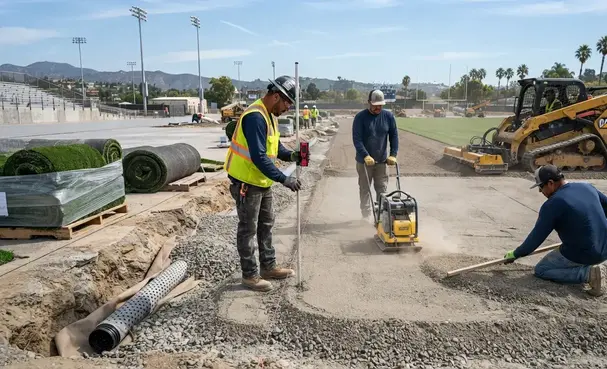
Long-lasting sports turf performance begins beneath the surface with engineered excavation, aggregate base construction, precision grading, and professional drainage preparation.
Build Your Athletic Field With Proper Engineering From The Start
Long-term sports turf performance begins below the surface. Our team evaluates grading, drainage requirements, soil conditions, and field usage goals to help design an athletic turf system built for years of reliable performance.
Request Sports Turf EvaluationWhat Separates a Professional Sports Turf System From Basic Artificial Grass Installation
A professional sports field is far more than synthetic grass installed over prepared soil. Every athletic field functions as a complete engineered system where each layer contributes to drainage, athlete safety, structural stability, durability, and long-term performance. While the turf surface is the most visible component, the hidden construction beneath the field ultimately determines how well the facility performs throughout years of practices, games, tournaments, and community use.
Football fields, soccer pitches, baseball complexes, school campuses, and municipal athletic facilities all place tremendous demands on a playing surface. Proper excavation, aggregate selection, drainage engineering, and precision installation work together to create a field capable of delivering consistent athletic performance under heavy daily use.
-
The Turf Surface Is Only One Layer of the System
Premium athletic turf provides the visible playing surface, but its long-term performance depends on the quality of every supporting layer beneath it. Turf fibers, seam construction, infill distribution, drainage materials, and base preparation all function together to create a reliable athletic field rather than a simple artificial grass installation. -
Engineered Aggregate Bases Create Structural Stability
The aggregate base serves as the structural foundation of the sports turf system. Proper material selection, lift placement, moisture control, and compaction help prevent settlement, uneven playing surfaces, seam stress, and premature field deterioration caused by continuous athletic activity. -
Drainage Engineering Protects the Entire Athletic Field
Water management is one of the most important components of sports turf construction. Proper grading, permeable aggregate layers, and engineered drainage systems move water efficiently through the field, reducing standing water, protecting the base structure, and allowing facilities throughout the Inland Empire to return to play sooner after seasonal storms. -
Surface Consistency Supports Athletic Performance
Athletes depend on predictable footing every time they accelerate, cut, pivot, jump, or change direction. Proper grading, compaction, and installation techniques help maintain consistent traction, ball response, and overall playability across the entire field rather than creating isolated areas with different performance characteristics. -
Built for Inland Empire Climate Conditions
Athletic facilities throughout Riverside, San Bernardino, Ontario, Rancho Cucamonga, Fontana, Corona, and surrounding communities experience prolonged UV exposure, extreme summer temperatures, and occasional heavy rain events. Professional sports turf systems are engineered with these regional environmental conditions in mind to maximize durability, drainage efficiency, and year-round field performance. -
Every Component Contributes to Athlete Safety
Safe athletic fields are built from the ground up. Stable foundations, uniform grading, consistent infill distribution, dependable drainage, and properly installed turf all contribute to predictable footing, reliable surface performance, and long-term durability that athletes, coaches, schools, and recreation departments depend on throughout every season.
Professional sports turf installation is a complete field engineering process rather than a simple landscaping project. By combining proper excavation, aggregate base construction, drainage engineering, precision grading, premium athletic turf, and performance-focused installation techniques, schools, municipalities, parks, and sports facilities throughout the Inland Empire receive athletic fields designed for long-term reliability, consistent playability, and years of dependable performance.
Why Proper Athletic Field Construction Determines Sports Turf Performance
A sports turf field is only as good as the construction beneath it. While synthetic turf creates the visible playing surface, long-term performance depends on engineered excavation, grading, drainage, aggregate base preparation, and professional installation. Every layer works together to create a field that delivers consistent playability, dependable drainage, athlete safety, and years of reliable performance under heavy athletic use.
Precision Grading Creates a Consistent Playing Surface
Laser-guided grading helps establish proper field elevations before installation begins. A consistently graded surface improves athlete footing, predictable ball movement, and efficient drainage while eliminating low spots that can affect playability.
Engineered Aggregate Base Construction
The aggregate base supports every athlete using the field. Proper material selection, compaction, and depth help prevent settlement, maintain surface stability, and provide a solid foundation capable of withstanding years of practices, games, and tournaments.
High-Performance Sports Field Drainage
Athletic fields should recover quickly after rainfall. Permeable turf systems combined with engineered drainage layers move water away from the playing surface, helping reduce standing water, muddy conditions, and unnecessary field closures.
Stable Footing for Athletic Performance
Consistent traction begins below the turf fibers. Proper grading, infill placement, and base construction help athletes accelerate, stop, pivot, and change direction with greater confidence while maintaining uniform footing across the entire field.
Built Around Athlete Safety
Athletic fields should provide more than durability. Proper installation helps create a stable, predictable surface that supports player safety through consistent footing, dependable impact absorption, and uniform field conditions during every practice and competition.
Designed for Years of Heavy Athletic Use
Sports complexes, schools, and municipal parks experience constant traffic throughout the year. A professionally engineered turf system is designed to maintain consistent performance while minimizing maintenance, repairs, and downtime.
Poor Construction Leads to Costly Athletic Field Problems
Most sports turf failures begin below the surface rather than within the turf itself. Improper grading, inadequate drainage, weak aggregate bases, poor compaction, or incorrect seam installation can lead to standing water, uneven playing surfaces, seam separation, inconsistent footing, accelerated wear, and expensive repairs that often require rebuilding portions of the field.
Every Athletic Facility Has Different Performance Requirements
Football fields, soccer pitches, baseball complexes, school campuses, municipal parks, and athletic training facilities all place different demands on a sports turf system. Designing the field around its intended sport, traffic levels, maintenance goals, and performance expectations helps create an athletic surface that performs consistently for years to come.
Professional sports turf installation combines engineered site preparation, precision grading, aggregate base construction, high-performance drainage, and premium synthetic turf into one complete athletic field system. The result is a durable playing surface built for athlete safety, consistent performance, rapid drainage, and long-term reliability throughout the Inland Empire.
Why Drainage Engineering Is Critical to Long-Term Sports Turf Performance
One of the greatest advantages of professionally installed sports turf is the ability to return fields to play quickly after rainfall. That level of performance begins long before the synthetic turf is installed. Proper excavation, precision grading, engineered aggregate bases, and permeable drainage systems work together beneath the surface to move water efficiently while protecting the structural integrity of the athletic field for years of continuous use.
Precision Grading Directs Water Flow
Laser-guided grading establishes consistent field elevations that naturally move water toward designated drainage areas. Eliminating low spots helps prevent puddles, soft areas, and uneven surfaces that can negatively impact athlete safety and overall field performance.
Engineered Aggregate Drainage Layers
Every professional sports turf field is supported by multiple layers of compacted aggregate that provide both structural stability and exceptional drainage. The permeable foundation allows water to flow beneath the surface while maintaining a firm, consistent playing field capable of supporting years of athletic use.
Designed for Inland Empire Storm Events
Although Southern California experiences long periods of dry weather, seasonal storms can produce heavy rainfall within a short time. Proper drainage engineering allows schools, parks, and athletic facilities throughout the Inland Empire to recover faster after storms and minimize weather-related field closures.
Permeable Turf Systems Accelerate Water Removal
Modern athletic turf incorporates permeable backing that allows rainwater to move directly through the playing surface into the engineered drainage layers below. This rapid water transfer helps eliminate standing water while maintaining consistent field conditions across the entire playing surface.
Reliable Drainage Improves Athlete Safety
Dry, consistent playing surfaces provide better traction during sprinting, cutting, jumping, and sudden changes of direction. Efficient drainage reduces slippery conditions, improves footing, and helps athletes perform with greater confidence throughout practices and competitive events.
Protecting the Entire Athletic Field Investment
Effective drainage protects much more than the synthetic turf itself. Proper water management helps preserve the aggregate base, reduce erosion, minimize settlement, protect field stability, and extend the lifespan of the complete sports turf system while lowering long-term maintenance costs.
Poor Drainage Can Lead to Premature Sports Turf Failure
Most drainage problems begin beneath the playing surface where they remain hidden until significant damage occurs. Improper grading, inadequate aggregate depth, poor compaction, or incorrectly designed drainage systems can result in standing water, uneven playing surfaces, seam separation, accelerated wear, settlement, and costly repairs. Building drainage into the field from the very beginning helps prevent these problems while protecting the long-term performance of the athletic facility.
Every Athletic Facility Requires a Drainage System Designed for Its Site
Every sports field presents different engineering challenges based on existing soil conditions, site elevations, expected traffic levels, intended sports, and local drainage patterns. Schools, municipalities, parks, colleges, and private athletic facilities all benefit from drainage systems specifically engineered for their property, helping maximize field availability while delivering consistent performance throughout every season.
Professionally engineered drainage systems are one of the most important investments in long-term sports turf performance. By combining precision grading, permeable aggregate foundations, efficient water management, and premium athletic turf, facilities throughout the Inland Empire gain faster field recovery, improved athlete safety, dependable playability, and years of reliable service.
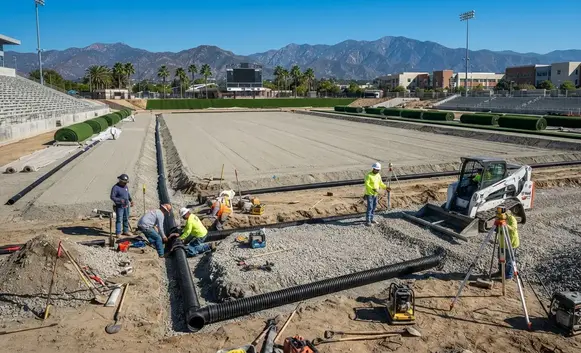
Professional sports turf drainage systems are engineered beneath the playing surface to rapidly remove water, protect the foundation, and maintain safer field conditions after storms.
Prevent Sports Field Drainage Problems Before They Start
Proper drainage engineering protects your athletic field investment by reducing standing water, improving field recovery after storms, and maintaining safer playing conditions throughout the season. Schedule your site evaluation today.
Call (909) 406-7718How Modern Athletic Turf Systems Improve Performance, Safety & Field Availability
Today's sports turf systems are engineered specifically for athletic performance. Unlike basic artificial grass applications, professional athletic turf combines advanced fiber technology, specialized infill systems, shock absorption options, and engineered installation methods to create a consistent playing surface designed for competitive sports, training, and high-use recreation facilities.
Consistent Ball Response & Playability
Athletic turf systems are designed to provide predictable ball movement, surface consistency, and reliable performance across the entire field. Proper turf selection helps athletes experience dependable conditions for passing, shooting, dribbling, running, and competitive play.
Improved Traction & Athlete Movement
Sports require quick acceleration, sudden stops, cutting, and directional changes. Premium athletic turf systems are engineered to provide stable footing and consistent traction that supports athlete confidence during practices, games, and training sessions.
Shock Absorption & Impact Protection
Many athletic facilities incorporate shock pads and performance layers designed to improve impact attenuation beneath the turf surface. These systems help create a more forgiving playing environment while supporting athlete safety requirements.
UV Resistance & Climate Durability
Sports facilities throughout the Inland Empire experience intense sunlight and extreme summer temperatures. UV-stabilized turf fibers help maintain color retention, durability, and long-term performance despite constant environmental exposure.
Increased Field Availability
Artificial sports turf allows facilities to schedule more practices, games, and community events by reducing weather-related closures and eliminating many limitations associated with natural grass recovery periods.
Engineered Around Each Sport
Football, soccer, baseball, lacrosse, and multi-sport facilities all have different performance requirements. Professional turf systems can be customized around sport type, usage levels, athlete expectations, and long-term facility goals.
Not All Artificial Turf Is Designed for Athletic Use
Residential turf products and decorative landscape turf are not engineered for the demands of competitive athletics.. Sports fields require specialized turf fibers, proper infill systems, engineered bases, drainage solutions, and installation techniques designed to withstand thousands of hours of athletic activity.
Performance Begins With Choosing the Correct Turf System
Selecting the right athletic turf system requires understanding how the field will be used, the sports being played, expected traffic levels, maintenance goals, and performance requirements. Proper turf selection combined with professional installation creates a safer, more reliable playing surface built for years of athletic performance.
Modern athletic turf systems combine advanced materials, engineered installation methods, and performance-focused design to provide schools, parks, municipalities, and sports facilities throughout the Inland Empire with durable playing surfaces built for competition and year-round use.
Our Sports Turf Installation Process
Professional sports turf installation requires more than placing artificial grass on the ground. Athletic fields must be carefully engineered to provide proper drainage, surface stability, player safety, and long-term performance under demanding conditions. Our sports turf installation process focuses on building every layer correctly, from initial site evaluation and grading through final turf preparation and inspection.
Site Evaluation & Field Planning
Every athletic turf project begins with a detailed evaluation of the existing site conditions. We analyze soil composition, field dimensions, drainage patterns, elevations, access points, and intended usage to develop an installation plan designed around the specific requirements of the facility.
Excavation & Precision Grading
Proper grading is one of the most important steps in athletic field construction. Existing materials are removed as needed, and the surface is precisely shaped to establish correct elevations, eliminate low areas, and create the foundation required for effective drainage and consistent field performance.
Engineered Aggregate Base Installation
A properly constructed base system provides the stability needed for high-use athletic surfaces. Compacted aggregate materials create a strong foundation that helps prevent shifting, uneven surfaces, and premature turf failure caused by heavy foot traffic, equipment use, and repeated athletic activity.
Athletic Field Drainage System
Drainage performance directly impacts field safety and usability. Engineered drainage solutions are installed beneath the turf system to efficiently move water away from the playing surface, helping reduce standing water, muddy conditions, and weather-related field closures.
Professional Turf Installation
Once the foundation is prepared, premium athletic turf materials are carefully installed across the field. Turf sections are positioned, professionally seamed, secured, and trimmed to create a durable playing surface with consistent appearance, traction, and performance characteristics.
Infill Installation & Final Testing
The final stage includes installing performance infill, brushing the turf fibers, and completing a detailed inspection of the entire field. We verify seams, drainage performance, surface consistency, and overall playability before the athletic surface is ready for use.
A professionally engineered sports turf installation creates a safer, more durable playing environment while providing athletic facilities with a reliable surface built for practices, games, tournaments, and years of continuous use.
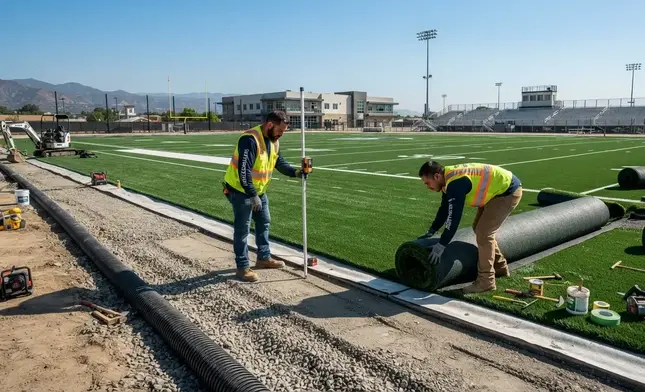
Professional athletic turf installation involves precision grading, engineered base preparation, drainage systems, and expert turf installation methods designed to create safer, more durable playing surfaces for schools, sports complexes, and athletic facilities.
Ready To Plan Your Sports Turf Installation?
From site preparation and drainage engineering to premium athletic turf installation, we help schools, parks, sports complexes, and private facilities create dependable playing surfaces designed around their specific needs. Call today to discuss your athletic field project.
Call (909) 406-7718Sports Turf Safety Systems & Shock Absorption Technology
Athlete safety is one of the most important considerations when designing a professional sports turf field. Modern athletic turf systems are engineered with multiple performance layers including specialized turf fibers, infill systems, shock pads, and carefully constructed foundations designed to improve impact absorption, surface consistency, and player confidence during practices, games, and training sessions.
-
Shock Absorption Systems Improve Impact Protection
Athletic turf systems can incorporate specialized shock pads and performance layers installed beneath the turf surface to improve impact attenuation. These systems create additional cushioning while helping facilities meet performance expectations for high-use athletic environments. -
Consistent Traction Supports Athlete Movement
Athletes depend on reliable footing during acceleration, stopping, cutting, jumping, and directional changes. Proper turf selection, infill distribution, and engineered installation methods help create consistent traction across the entire playing surface. Regular professional turf maintenance also helps preserve athletic performance over time. -
Precision Construction Creates Uniform Playing Conditions
Surface consistency begins beneath the turf. Proper excavation, grading, compaction, and base construction help eliminate uneven areas that can affect athlete movement, ball response, and overall field performance. -
Drainage Engineering Helps Maintain Safer Surfaces
Efficient drainage reduces standing water, slippery conditions, and inconsistent footing after rainfall. Proper water management allows athletic facilities to maintain safer playing environments while minimizing weather-related field closures. -
Designed for Inland Empire Heat Conditions
Athletic facilities throughout Riverside and San Bernardino counties experience intense sunlight and extreme summer temperatures. UV-resistant turf fibers, proper infill selection, and professional system design help maintain long-term durability and performance. -
Safety Requirements Vary by Facility and Sport
Football fields, soccer complexes, baseball facilities, schools, parks, and training centers all experience different levels of impact and usage. Professional sports turf systems are designed around athlete age groups, sport requirements, traffic levels, and facility goals. -
Basic Landscape Turf Is Not Designed for Athletics
Standard artificial grass products are not engineered for repeated athletic impacts, competitive play, or high-performance movement. Sports turf requires specialized materials, engineered foundations, drainage systems, and installation techniques designed specifically for athletic use. -
Professional Installation Protects Athlete Performance
A properly designed sports turf system combines impact protection, stable footing, drainage, and durable materials into one complete athletic surface. Professional construction helps facilities create safer fields that perform consistently for years.
Modern sports turf safety systems combine engineered construction, impact-reducing technologies, drainage solutions, and performance materials to create dependable athletic surfaces designed for safety, durability, and year-round use throughout the Inland Empire.
Sports Turf Maintenance Requirements & Long-Term Field Performance
Professional sports turf systems are designed to reduce many of the maintenance challenges associated with natural grass fields, but proper care is still essential for protecting the investment. Routine maintenance, periodic inspections, and professional servicing help preserve turf appearance, athlete safety, drainage performance, and long-term field reliability.
-
Routine Cleaning & Debris Removal
Athletic facilities should regularly remove leaves, trash, dirt, and other debris from the playing surface. Keeping the turf clean helps maintain drainage performance, protects turf fibers, and creates a better environment for athletes and facility users. -
Turf Brushing Helps Maintain Fiber Recovery
Heavy athletic activity can compress turf fibers over time. Professional brushing and grooming help restore fiber position, redistribute infill materials, and maintain a consistent playing surface throughout the field. -
Infill Management Protects Field Performance
Proper infill levels are important for traction, cushioning, and overall field performance. Periodic inspections help identify areas where infill may require redistribution or adjustment due to heavy traffic patterns. -
Regular Inspections Identify Problems Early
Routine evaluations help detect potential issues such as seam movement, damaged areas, drainage concerns, or excessive wear before they become larger and more expensive repairs. -
Drainage Performance Requires Proper Care
Maintaining clear drainage pathways helps protect the foundation beneath the turf system. Proper maintenance reduces the risk of water accumulation, surface issues, and unnecessary field closures after storms. -
Designed for Years of Athletic Use
Professional sports turf systems are built to support thousands of hours of practices, games, and recreational activities. Proper maintenance helps extend the service life of the field while preserving safety, appearance, and performance. -
Lower Long-Term Operating Costs
Compared to natural grass fields, artificial sports turf can significantly reduce expenses associated with mowing, irrigation, fertilizing, reseeding, and weather-related recovery periods. Proper maintenance helps maximize these long-term savings. -
Protecting Your Athletic Facility Investment
A sports turf field represents a significant investment for schools, municipalities, parks, and private organizations. Consistent maintenance practices help protect that investment by keeping the system functional, attractive, and ready for use.
Although sports turf requires less maintenance than natural grass, professional care remains essential for maximizing performance and lifespan. Proper maintenance helps athletic facilities throughout the Inland Empire maintain safer playing surfaces, reduce downtime, and protect their long-term investment.
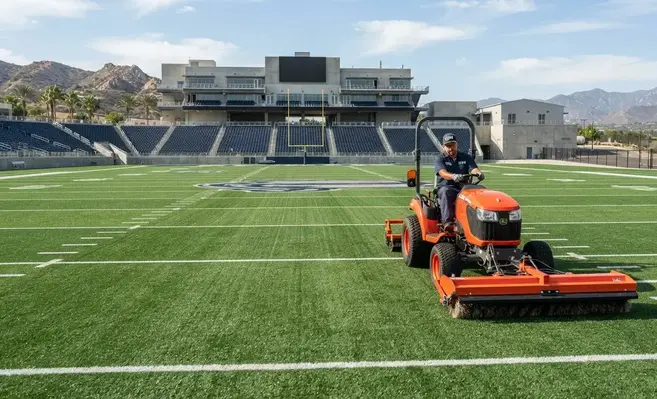
Routine sports turf maintenance helps preserve field performance, drainage efficiency, athlete safety, and the long-term value of athletic facilities throughout the Inland Empire.
Reduce Athletic Field Maintenance Costs
Replace high-maintenance natural grass fields with a professionally engineered sports turf system designed to reduce irrigation demands, mowing requirements, weather delays, and long-term operating expenses.
Call (909) 406-7718Designing Sports Turf Systems Around Facility Goals & Athletic Requirements
Every athletic facility has different performance expectations, usage patterns, and operational requirements. A community park, high school stadium, private training center, and municipal recreation complex all require different approaches to sports turf design. Professional installation begins by understanding how the field will be used and engineering a system that supports long-term performance, athlete safety, and maximum field availability.
-
Schools & Educational Athletic Facilities
Athletic fields at schools must support physical education programs, daily practices, competitive games, tournaments, and community events. Durable sports turf systems help campuses maximize field availability while reducing maintenance requirements, irrigation demands, and weather-related closures. -
Municipal Parks & Recreation Fields
Public athletic facilities experience constant use from youth leagues, recreational programs, and community activities. Properly engineered sports turf provides a reliable playing surface capable of handling heavy traffic while maintaining consistent appearance and performance throughout the year. -
Football Field Performance Requirements
Football fields require turf systems designed for repeated impacts, sprinting, blocking, tackling, and high-intensity movement. Engineered bases, performance infill, drainage systems, and shock absorption options help create stable playing conditions designed around athlete safety and durability. -
Soccer Field Design Considerations
Soccer fields depend on consistent ball response, reliable traction, and uniform surface conditions across large playing areas. Proper turf selection, precision grading, and drainage engineering help maintain predictable performance during practices, league matches, and tournaments. -
Baseball & Softball Facility Applications
Artificial turf systems can improve high-wear areas such as outfields, foul territory, batting practice areas, bullpens, and training zones. These applications reduce maintenance demands while providing durable surfaces that remain dependable throughout the playing season. -
Training Centers & Multi-Sport Facilities
Athletic training facilities require versatile turf systems designed for speed, agility, conditioning, and sport-specific drills. Custom layouts, integrated field markings, and performance-focused turf solutions allow facilities to support multiple athletic programs with one dependable surface. -
Designed Around Actual Facility Usage
The correct sports turf system depends on how the field will be used, expected traffic levels, maintenance goals, and long-term performance requirements. Understanding daily usage patterns allows the installation to be engineered around real-world demands instead of a one-size-fits-all approach. -
Custom Engineering For Long-Term Performance
Every athletic facility has different site conditions, environmental challenges, and performance expectations. Professional sports turf design combines field planning, drainage engineering, foundation construction, and premium turf selection to create a system built for years of reliable use.
Successful sports turf installation begins with understanding the facility, the athletes, and the intended use of the field. By designing each system around specific performance requirements, schools, parks, municipalities, and athletic organizations throughout the Inland Empire receive safer, more durable, and more reliable playing surfaces.
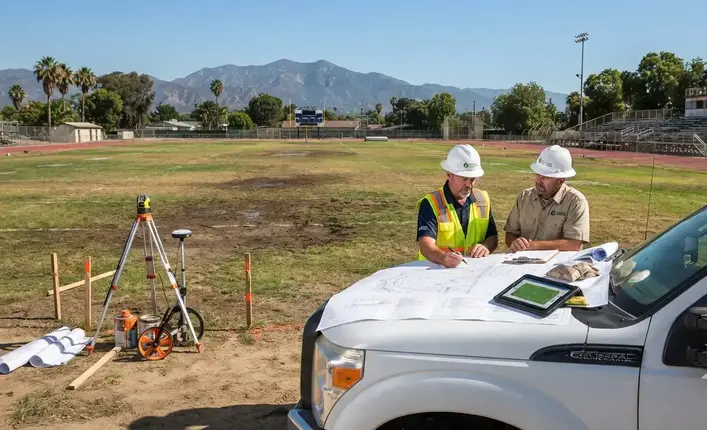
Every successful sports turf installation begins with detailed site planning, engineering, and field design to ensure long-term athletic performance and reliable drainage.
Start Planning Your Sports Turf Project
From field layout and drainage engineering to turf selection and installation planning, our team helps athletic facilities develop a sports turf system designed around their exact requirements.
Call (909) 406-7718Why Choose Inland Empire Turf for Sports Turf Installation
Professional sports turf installation requires far more than installing synthetic grass. Athletic fields depend on proper engineering beneath the surface, including excavation, grading, drainage design, aggregate base construction, turf selection, and precision installation. Inland Empire Turf builds complete athletic turf systems designed for schools, parks, municipalities, training facilities, sports complexes, and private athletic organizations throughout Southern California where athlete safety, field availability, and long-term durability are critical.
Athletic-Grade Turf Systems
Every sport places different demands on a playing surface. We help design athletic turf systems around football, soccer, baseball, softball, lacrosse, training facilities, and multi-purpose fields with performance, durability, and safety in mind.
Precision Field Design & Engineering
Proper athletic field construction begins with accurate planning. Field dimensions, elevations, drainage patterns, usage requirements, and performance goals are evaluated to create a surface designed for reliable play year after year.
Engineered Foundations Built for Heavy Use
The foundation beneath the turf determines long-term performance. Proper excavation, aggregate selection, compaction, and base preparation help prevent settlement, uneven surfaces, drainage issues, and premature field deterioration.
Advanced Sports Field Drainage Solutions
Inland Empire athletic facilities face intense heat, compacted soils, clay conditions, and seasonal storms. Engineered drainage systems help move water efficiently through the field while protecting the playing surface and reducing weather-related closures.
Built for High-Performance Athletics
Sports turf must provide reliable traction, consistent ball response, and predictable footing during acceleration, cutting, jumping, and competitive play. Every system is designed around how athletes use the field.
Athlete Safety Focused Installation
Safe playing surfaces begin below the turf. Proper grading, stable foundations, impact attenuation options, and consistent installation methods help create dependable athletic environments for players of all levels.
Built for Inland Empire Climate Conditions
Southern California athletic facilities experience extreme sunlight, UV exposure, and high summer temperatures. Sports turf systems are selected and installed with regional climate conditions in mind to maximize durability and appearance retention.
Custom Field Layouts & Markings
Athletic facilities can include integrated game lines, school logos, team colors, end zones, sponsor graphics, training zones, and multi-sport layouts designed around the needs of each organization.
Designed for Long-Term Field Availability
Schools, parks, and sports complexes depend on fields that remain playable throughout the year. Professionally engineered turf systems reduce maintenance demands, minimize downtime, and support more practices, games, and community events.
Inland Empire Turf builds complete sports turf systems focused on athletic performance, engineered construction, drainage reliability, athlete safety, and long-term value for schools, municipalities, sports facilities, and organizations throughout the Inland Empire.
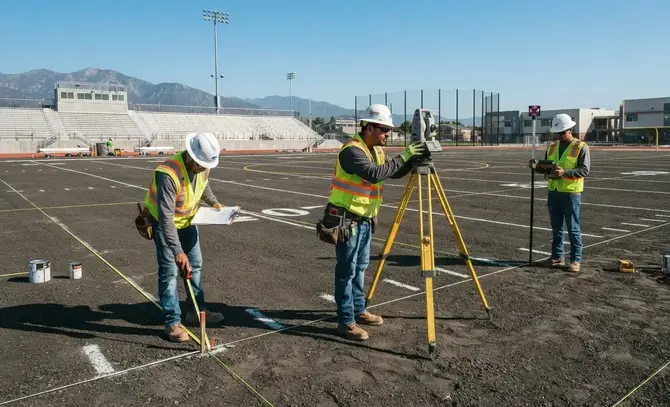
Professional sports turf construction begins with precise surveying, laser layout, and engineered field measurements before installation starts.
Athletic Field Replacement & Sports Turf Renovation Services
Many athletic facilities throughout the Inland Empire eventually require field upgrades due to worn natural grass, drainage problems, uneven surfaces, outdated turf systems, or increased demand for year-round field availability. Professional sports turf renovation provides schools, municipalities, parks, and private facilities with an opportunity to improve safety, performance, and long-term reliability.
-
Replacing Worn Natural Grass Fields
Heavy athletic use can quickly damage natural grass fields through worn goal areas, muddy conditions, uneven surfaces, and extended recovery periods. Artificial sports turf provides a consistent playing surface designed for frequent practices, games, and community events. -
Correcting Existing Drainage Problems
Poor drainage can create standing water, field closures, unsafe conditions, and long-term maintenance issues. Sports turf renovation allows drainage systems, grading, and base construction problems to be addressed before installing the new playing surface. -
Upgrading Aging Artificial Turf Systems
Older turf fields may experience worn fibers, compacted infill, seam issues, poor drainage performance, or inconsistent playing conditions. Modern replacement systems can improve performance, safety, and field availability. -
Improving Athletic Performance & Safety
Field renovations can incorporate updated turf technology, shock absorption systems, improved drainage, and performance-focused materials designed around current athletic standards. -
Increasing Year-Round Field Availability
Renovated sports turf fields allow organizations to schedule more practices, tournaments, and events while reducing downtime associated with natural grass recovery and weather delays. -
Solutions for Schools, Parks & Athletic Facilities
Sports turf renovations help educational campuses, recreation departments, municipalities, and private facilities maximize the value and usability of existing athletic spaces.
Whether replacing natural grass or upgrading an aging artificial field, professional sports turf renovation creates safer playing conditions, improved drainage, and a more reliable athletic surface built for years of use.
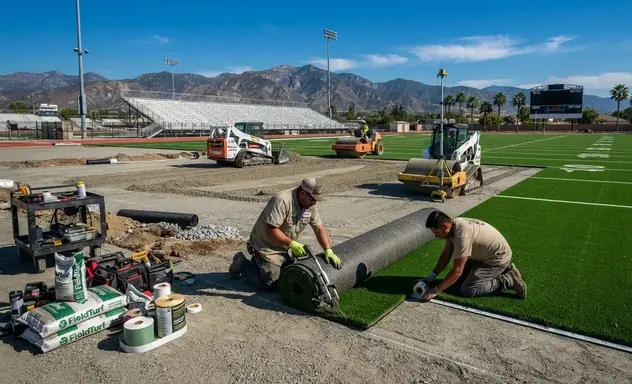
Replacing worn natural grass or aging synthetic turf gives schools, municipalities, and athletic facilities a safer, more durable playing surface with improved drainage and dependable year-round performance.
Replace an Aging Athletic Field With a Modern Turf System
Worn grass fields, drainage failures, and outdated turf systems can limit athletic programs. Our team helps schools, municipalities, and sports organizations evaluate renovation options and build a safer, more reliable playing surface.
Discuss Your Field RenovationSports Turf Systems Designed for Every Athletic Application
Every athletic field requires a specialized turf system designed around the sport being played, expected usage, athlete safety needs, and long-term performance goals. From competitive stadiums to community recreation facilities, professionally engineered sports turf provides reliable drainage, consistent playability, and durability throughout years of athletic use.
Football Fields
Football turf systems are designed to withstand high-impact play, repeated practices, sprinting, and heavy foot traffic. Engineered bases, performance infill, drainage systems, and safety features help create reliable playing conditions throughout the season.
Soccer Fields
Soccer fields require consistent traction, predictable ball response, and smooth playing surfaces. Professional turf installation provides reliable performance for leagues, tournaments, training programs, and year-round athletic use.
Baseball & Softball Complexes
Artificial turf systems are ideal for outfields, foul areas, bullpens, batting cages, and training zones. These surfaces reduce maintenance while providing durable performance for practices, games, and tournaments.
Schools & Universities
Educational facilities benefit from sports turf systems that support athletics, physical education, practices, and community events. Artificial turf helps maximize field availability while reducing water use and maintenance demands.
Parks & Recreation Facilities
Municipal parks need athletic surfaces that can handle constant public use and changing weather conditions. Durable sports turf helps reduce downtime while providing dependable playing conditions for community programs.
Training & Multi-Sport Facilities
Training centers use specialized turf systems for speed drills, agility training, conditioning, and sport-specific development. Custom layouts allow facilities to support multiple programs on one durable surface.
Athletic Training Facilities
Performance facilities require turf systems built for repeated training sessions, athlete development, and high-intensity workouts. Professionally installed surfaces provide consistent traction and reliable performance for daily use.
Colleges & Competitive Programs
Collegiate athletic programs require advanced turf systems designed for demanding schedules, competitive events, and frequent field usage. Custom markings, drainage solutions, and performance features help maintain professional-quality surfaces.
Tournament & Championship Fields
Tournament facilities depend on turf systems that maintain consistent performance through heavy event schedules. Engineered sports surfaces help support multiple games, competitions, and championship-level athletic environments.
Whether developing a new athletic complex or upgrading an existing field, professionally engineered sports turf provides consistent performance, superior drainage, athlete safety, and long-term durability for facilities throughout the Inland Empire.
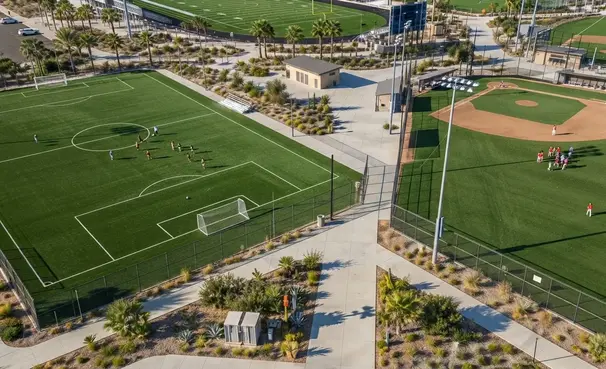
Professionally engineered sports turf systems support everything from football stadiums and soccer complexes to baseball fields, schools, municipal parks, and multi-sport athletic facilities throughout the Inland Empire.
Sports Turf Installation Service Area
We design and install premium sports turf systems throughout the Inland Empire for schools, colleges, municipalities, parks, recreation departments, athletic facilities, sports complexes, churches, HOAs, and private organizations. For recreational areas serving younger athletes and families, we also provide playground turf installations designed around safety, durability, and heavy daily use. Every athletic field is engineered with proper excavation, precision grading, professional drainage, and high-performance base construction to create safe, durable playing surfaces built for years of competitive use.
Whether you're building a new football field, upgrading a soccer complex, replacing a worn baseball outfield, or constructing a multi-purpose athletic facility, our sports turf systems are designed to deliver consistent playability, superior drainage, reduced maintenance, and year-round performance in Southern California's demanding climate. From community parks to large tournament venues, we build athletic fields that perform as well as they look.
- Rancho Cucamonga
- Ontario
- Upland
- Claremont
- Fontana
- Rialto
- Redlands
- Highland
- San Bernardino
- Riverside
- Corona
- Eastvale
- Norco
- Chino
- Chino Hills
- Montclair
- Pomona
- Jurupa Valley
- Beaumont
- Banning
- Yucaipa
- Loma Linda
- Lake Elsinore
- Murrieta
- Temecula
- Menifee
- Moreno Valley
- Perris
- Schools, Colleges, Parks, Sports Complexes, Recreation Departments & Athletic Facilities Throughout the Inland Empire
If you're planning a new athletic field or upgrading an existing sports facility anywhere in the Inland Empire, we'll evaluate your site conditions, drainage requirements, intended sports, field dimensions, athlete safety goals, and performance expectations to design a custom sports turf system engineered for long-term durability, consistent playability, and professional-quality results.
Sports Turf Installation Costs in the Inland Empire: What Athletic Facilities Should Expect
Sports turf pricing in the Inland Empire varies widely because every athletic facility has different performance requirements, soil conditions, drainage needs, and field dimensions. Costs are influenced by excavation depth, grading precision, engineered aggregate bases, turf type, shock pad systems, custom field markings, accessibility requirements, and long-term durability goals. A small training field in Riverside is engineered very differently than a full-size football stadium in San Bernardino or a multi-field municipal complex in Rancho Cucamonga.
Instead of using generic pricing, each athletic field is evaluated individually. This ensures the turf system is engineered for athlete safety, consistent ball response, efficient drainage, and dependable performance throughout years of tournaments, school seasons, and community use.
Typical Sports Turf Investment Ranges
Training Facilities & Practice Areas
$10,000 – $75,000+
Ideal for indoor training centers, agility lanes, batting cages, conditioning zones, and smaller practice fields. Facilities focused on indoor athletic training may also benefit from specialized gym turf systems designed for strength training, sled work, and performance environments. These projects typically require durable performance turf, moderate base preparation, and optional shock pads for athlete comfort.
School Athletic Fields
$150,000 – $600,000+
Elementary, middle, and high schools often require engineered drainage, durable turf systems, safety-focused construction, and integrated game markings. Inland Empire districts also benefit from low-maintenance surfaces that reduce long-term operational costs.
Football & Soccer Fields
$500,000 – $1,500,000+
Regulation fields require extensive excavation, multi-layer aggregate bases, laser grading, engineered drainage, specialized infill systems, and permanent athletic striping. These installations are built for high-impact play and year-round use.
Parks & Municipal Sports Facilities
$250,000 – $2,000,000+
Municipal projects often include multiple fields, spectator zones, ADA routes, stormwater improvements, and long-term maintenance planning. Cities like Riverside, Fontana, and Ontario frequently require engineered drainage to handle heavy public use.
Projects Requiring Drainage & Base Engineering
Varies By Site Conditions
Fields with clay soils, poor drainage, uneven grades, irrigation conflicts, or aging infrastructure may require additional excavation, soil stabilization, grading corrections, or aggregate base replacement before turf installation begins.
Custom Athletic Complexes
Custom Quote
Stadium fields, tournament complexes, collegiate facilities, custom logos, colored end zones, specialty markings, and phased construction projects require detailed engineering and a tailored proposal based on performance goals and site conditions.
Every sports turf project begins with a professional site evaluation. We assess soil conditions, drainage requirements, intended sports, accessibility, grading, and long-term performance goals before providing a detailed proposal tailored to your Inland Empire athletic facility.
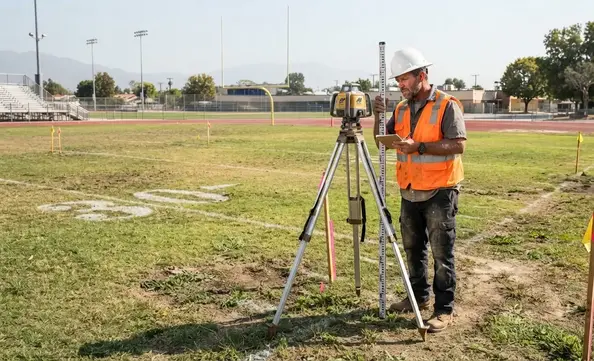
Every sports turf installation begins with a comprehensive site evaluation that examines grading, drainage, soil conditions, field dimensions, and athlete performance requirements before construction begins.
Request a Detailed Sports Turf Project Estimate
Sports turf costs depend on field size, drainage needs, soil conditions, turf specifications, and performance requirements. Schedule a site evaluation to receive recommendations based on your facility's goals.
Call (909) 406-7718Why Sports Turf Installation Costs Vary Between Athletic Facilities
Sports turf pricing across the Inland Empire varies because every athletic facility has different engineering requirements, soil conditions, drainage challenges, performance expectations, and construction logistics. Field size alone does not determine cost. The true investment is shaped by how the field must perform for athletes, how the site behaves under weather and traffic, and what engineering is required to ensure long-term durability.
These are the primary factors that influence sports turf installation costs for schools, parks, municipalities, athletic complexes, and private facilities throughout Riverside, San Bernardino, Ontario, Rancho Cucamonga, Corona, Fontana, Moreno Valley, Temecula, and surrounding Inland Empire communities:
-
Field Size & Overall Project Scope
Larger fields require more excavation, aggregate base construction, drainage components, turf material, infill, and labor. Multi-field complexes, stadiums, and tournament facilities also require additional engineering for transitions, spectator zones, ADA routes, and multi-sport striping. Scope determines both material volume and construction complexity. -
Drainage Requirements & Existing Site Conditions
Inland Empire soil varies dramatically. Clay-heavy soils in Redlands, hardpan layers in Ontario, and sandy pockets in Temecula all drain differently. Fields with poor grading, standing water, or irrigation conflicts may require subsurface drainage systems, engineered aggregate layers, or full-depth reconstruction to ensure rapid field recovery after storms or heavy use. -
Excavation, Aggregate Base & Soil Stability
Athletic fields must withstand repetitive impacts, maintenance equipment, and seasonal expansion. Unstable soils, settlement issues, or inadequate existing bases require deeper excavation, soil stabilization, moisture control, and multi-layer aggregate installation. The structural base is one of the largest cost drivers because it determines long-term field performance. -
Site Access & Construction Logistics
Many Inland Empire schools and municipal parks have limited access for heavy equipment. Fencing, narrow gates, active campuses, surrounding buildings, and seasonal sports schedules can affect construction timelines and labor requirements. Complex logistics often increase project duration and cost. -
Removal of Existing Playing Surfaces
Natural grass fields may require sod removal, irrigation demolition, soil remediation, or drainage replacement. Older artificial turf may require disposal, base reconstruction, or shock pad removal. Proper demolition ensures the new turf system is built on a stable, engineered foundation. -
Sport-Specific Performance Requirements
Football, soccer, baseball, softball, lacrosse, rugby, field hockey, and multi-sport fields each require different traction profiles, infill blends, shock absorption levels, ball roll characteristics, and turf fiber systems. Performance engineering is tailored to the sports played and the intensity of use. -
Shock Pad Systems & Athlete Safety Features
Some facilities require additional impact attenuation through shock pads or performance layers beneath the turf. These systems help meet safety standards, reduce injury risk, and improve long-term field resilience. Shock pads influence both installation methods and overall project investment. -
Custom Logos, Field Striping & Facility Branding
Integrated game lines, multi-sport layouts, school logos, mascots, colored end zones, sponsor graphics, and custom branding require precision cutting, detailed planning, and specialized installation techniques. These elements enhance the facility but add to project complexity.
Every sports turf project begins with a comprehensive site evaluation that examines soil stability, drainage capacity, grading accuracy, field dimensions, intended sports, athlete safety goals, and long-term maintenance expectations. This engineering-first approach ensures Inland Empire athletic facilities receive accurate pricing and a turf system designed for reliable performance across years of practices, games, and community events.
Artificial Sports Turf vs Natural Grass Athletic Fields
Schools, municipalities, sports complexes, and athletic organizations throughout Southern California are comparing artificial turf and natural grass systems to determine which option provides the best combination of performance, safety, maintenance savings, and year-round field availability. Understanding the differences helps facility managers choose the right surface for their long-term athletic goals.
Year-Round Field Availability
Artificial sports turf allows athletic facilities to schedule more practices, games, tournaments, and community events without waiting for grass recovery periods. Unlike natural grass fields that require downtime after heavy use or weather events, synthetic turf systems provide dependable playing conditions throughout the year.
Reduced Water Consumption
Southern California athletic facilities face drought conditions, water restrictions, and increasing irrigation costs. Artificial sports turf eliminates the ongoing watering requirements of natural grass while maintaining a consistent green appearance and professional-quality playing surface.
Lower Maintenance Requirements
Natural grass athletic fields require mowing, fertilizing, aeration, irrigation management, reseeding, weed control, and seasonal repairs. Artificial turf reduces many recurring maintenance demands while providing a durable surface designed for demanding athletic environments.
Consistent Athletic Performance
Professionally engineered sports turf systems provide predictable traction, reliable footing, consistent ball response, and uniform surface conditions across the entire field. Athletes benefit from a dependable playing surface designed for practices, games, and tournaments.
Better Weather Reliability
Natural grass fields can become muddy, damaged, or unavailable after storms and heavy rainfall. Properly engineered artificial turf systems with advanced drainage allow facilities to recover faster and reduce weather-related cancellations.
Long-Term Facility Value
Although artificial turf requires a larger initial investment, reduced irrigation needs, lower maintenance demands, and increased field availability can provide significant long-term value for schools, municipalities, and athletic organizations.
For many Inland Empire athletic facilities, artificial sports turf provides a reliable alternative to natural grass by improving field availability, conserving water, reducing maintenance requirements, and creating a consistent playing environment built for years of athletic performance.
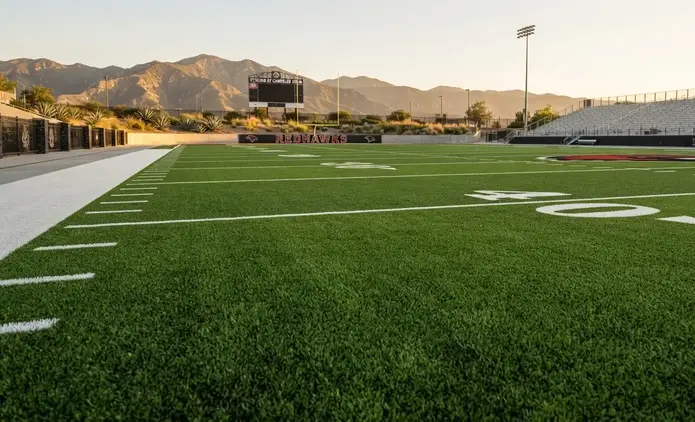
Premium quality sports turf is engineered for consistent traction, reliable ball response, superior drainage, and long-term durability. Premium turf fibers, precision installation, and expertly constructed foundations create a professional playing surface that performs season after season.
Sports Turf Safety, Performance & Athlete Protection
Athlete safety begins beneath the playing surface. Professional sports turf systems are engineered with proper foundations, drainage, impact considerations, and performance characteristics designed around the demands of competitive athletics.
-
Engineered Playing Surface Foundations
A properly constructed base provides stability, reduces uneven areas, improves drainage, and creates a consistent platform designed for athletic movement. -
Improved Traction & Footing
Sports turf systems are selected based on sport-specific requirements including acceleration, cutting movements, jumping, and repetitive athlete contact. -
Shock Absorption Options
Facilities can incorporate performance layers and shock attenuation systems designed to improve player comfort and help meet athletic safety requirements. -
Southern California Climate Performance
Premium turf systems are designed with UV-resistant fibers and materials selected to withstand intense Inland Empire sunlight and temperature extremes. -
Consistent Surface Quality
Professional installation methods help create uniform playing conditions across the entire field for practices, games, and tournaments.
Sports Turf Lifespan, Durability & Long-Term Value
A professionally engineered sports turf field represents a major investment for any athletic organization. Proper installation, routine turf maintenance, and selecting the correct turf system help maximize field lifespan and long-term return on investment.
Built For Heavy Athletic Use
Modern sports turf systems are designed for demanding environments including daily practices, competitive games, tournaments, and community recreation programs.
Long-Term Performance Planning
Choosing the correct turf fibers, infill system, drainage design, and foundation construction helps ensure reliable performance throughout years of athletic use.
Protecting Facility Investment
Proper engineering reduces premature wear, minimizes repairs, and helps organizations receive maximum value from their athletic field investment.
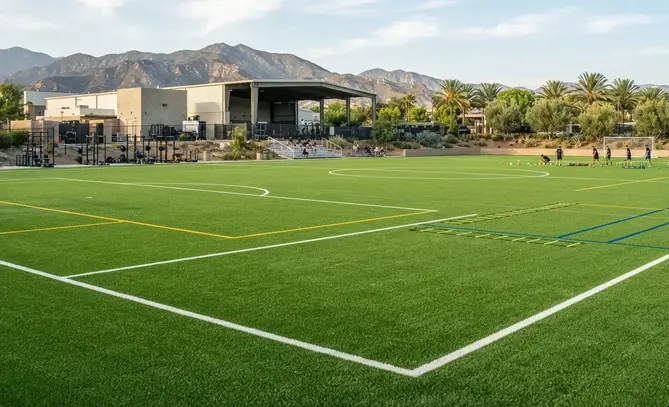
Professionally engineered sports turf systems are built to withstand years of practices, training sessions, tournaments, and community use while maintaining consistent performance, durability, and a high-quality playing surface.
Sports Turf Installation FAQs
- What types of sports facilities benefit from artificial turf installation?
- Sports turf is an excellent solution for football fields, soccer fields, baseball and softball complexes, multi-purpose athletic fields, schools, colleges, parks, recreation departments, training facilities, sports complexes, and municipal athletic venues. Artificial turf provides a durable playing surface that supports heavy use while reducing maintenance and downtime.
- Why are schools and athletic facilities replacing natural grass with sports turf?
- Many athletic facilities are transitioning to artificial turf because it provides year-round playability, reduces water consumption, eliminates routine mowing and fertilizing, minimizes field closures after rain, and creates a more consistent playing surface for athletes throughout every season.
- Is sports turf safe for athletes?
- Yes. Modern sports turf systems are engineered with athlete safety in mind. Depending on the application, installations may include shock pad systems, specialized infill materials, and properly engineered base construction designed to improve impact absorption, stability, and overall field performance.
- How does sports turf handle drainage after heavy rain?
- Professionally installed sports turf utilizes permeable backing materials and engineered aggregate drainage systems that allow water to move efficiently through the playing surface. Proper drainage helps reduce standing water, mud, and weather-related field closures while allowing facilities to return to play more quickly.
- Can sports turf handle constant athletic use?
- Yes. Sports turf is specifically designed for high-performance athletic environments where fields experience daily practices, games, tournaments, and community events. Premium turf fibers and properly engineered foundations help maintain consistent performance under heavy traffic.
- What sports can be played on artificial sports turf?
- Sports turf systems can be designed for football, soccer, baseball, softball, lacrosse, field hockey, rugby, physical education programs, athletic training, and multi-purpose recreational fields. Each system can be customized to meet the specific performance requirements of the intended sport.
- Does sports turf require maintenance?
- Yes, although significantly less than natural grass. Routine maintenance typically includes debris removal, grooming or brushing turf fibers, inspecting seams, redistributing infill when necessary, and periodic sanitation. There is no mowing, irrigation, fertilizing, or reseeding required.
- How long does a sports turf field last?
- The lifespan of a sports turf system depends on usage, maintenance, climate, and the quality of installation. Professionally installed athletic turf systems with properly engineered foundations typically provide many years of reliable performance before replacement is needed.
- Can sports turf withstand Southern California heat and UV exposure?
- Yes. Premium sports turf products are manufactured with UV-resistant fibers engineered to withstand intense Inland Empire sunlight. Many systems also incorporate technologies and infill options that help manage surface temperatures while maintaining long-term durability and color retention.
- Can field logos, end zones, and custom markings be installed?
- Absolutely. Sports turf fields can include permanently integrated game lines, school logos, mascots, end zone graphics, custom colors, sponsor logos, training zones, and multi-sport striping without the need for annual repainting.
- What factors affect the cost of sports turf installation?
- Sports turf pricing depends on field size, excavation requirements, grading, drainage design, aggregate base construction, shock pad systems, turf selection, infill materials, custom logos, field striping, accessibility, and overall site conditions. Many athletic facilities also combine turf areas with walkways, patios, plazas, and surrounding landscape features through hardscape turf integration to create seamless transitions between playing areas and surrounding spaces. Every athletic field requires a detailed site evaluation before accurate pricing can be provided.
- Why is proper base construction important for sports turf?
- The aggregate base beneath the turf is one of the most important components of the entire athletic field. Proper excavation, grading, compaction, and drainage engineering help create a stable playing surface, improve drainage performance, reduce settlement, and maximize the lifespan of the turf system.
- Can sports turf be installed for multi-sport facilities?
- Yes. Many schools and municipalities install multi-purpose athletic fields that accommodate football, soccer, lacrosse, physical education classes, community recreation, and other sports using integrated striping and custom field layouts.
- How long does sports turf installation take?
- Installation timelines vary based on field size, weather conditions, grading requirements, drainage improvements, and customization. Smaller athletic facilities may be completed relatively quickly, while full-size stadium fields and sports complexes typically require additional construction time.
- Why choose professional sports turf installation instead of a general landscaping contractor?
- Athletic fields require specialized engineering that extends beyond standard landscaping practices. Professional sports turf installation includes precision grading, engineered drainage, proper compaction, accurate seam construction, performance-focused infill placement, and field layout designed to meet the demands of competitive athletics.
- How do I schedule a sports turf consultation?
- Every sports turf project begins with a professional site evaluation to assess field conditions, drainage, grading, intended sports, performance goals, and facility requirements. Contact our team to schedule a consultation and receive a customized recommendation for your athletic field.
Ready to Build a Professional Sports Turf Field That Performs Year After Year?
Invest in a professionally engineered sports turf system designed for athlete safety, exceptional durability, and year-round performance. Whether you're building a football field, soccer pitch, baseball or softball complex, multi-purpose athletic field, school campus, municipal park, or private sports facility, we design and install premium artificial turf systems with precision grading, engineered drainage, and high-performance base construction. Schedule your free on-site consultation and detailed sports turf estimate today to create an athletic field built for competition, recreation, and long-term value.
Call (909) 406-7718