
Professional Artificial Turf Drainage & Foundation Systems Throughout The Inland Empire
A long-lasting artificial turf installation begins with a properly engineered foundation beneath the surface. Inland Empire Turf designs and installs complete drainage and foundation systems including excavation, aggregate sub-base installation, precision grading, compaction, and water management solutions built for demanding Southern California conditions.
From residential landscapes and pet turf systems to commercial properties, athletic facilities, and high-traffic applications, our engineered foundation systems help prevent standing water, settlement, surface movement, drainage failures, and premature turf replacement.
Serving Riverside, San Bernardino, Ontario, Corona, Fontana, Rancho Cucamonga, Moreno Valley, Temecula, Murrieta, Menifee & surrounding Inland Empire communities.
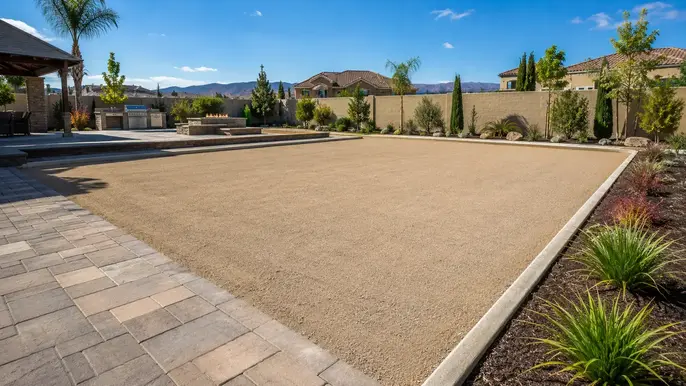
Why Artificial Turf Base Preparation & Drainage Engineering Matters
Artificial turf is only as reliable as the foundation installed beneath it. The synthetic grass surface may be what homeowners and businesses see, but the engineered sub-base system determines how the installation performs over time. Proper excavation, aggregate preparation, compaction, and drainage planning create the structural support necessary for a smooth, durable, and long-lasting artificial turf system.
Properties throughout the Inland Empire face unique installation challenges including dense clay soils, compacted ground conditions, hardpan layers, extreme summer temperatures, irrigation runoff, and occasional heavy rainfall. Without proper drainage engineering, water can become trapped beneath synthetic turf, leading to soft spots, odors, movement, and landscape damage. A professionally designed drainage system allows moisture to move efficiently while maintaining the stability of the turf foundation.
Professional artificial turf base preparation involves much more than placing gravel beneath synthetic grass. A complete foundation system requires evaluating existing soil conditions, determining proper excavation depth, installing appropriate aggregate materials, establishing accurate grades, mechanically compacting the base, and creating drainage pathways when needed. These preparation methods support everything from residential artificial turf installations and pet turf systems to commercial landscapes, athletic facilities, and high-performance turf applications.
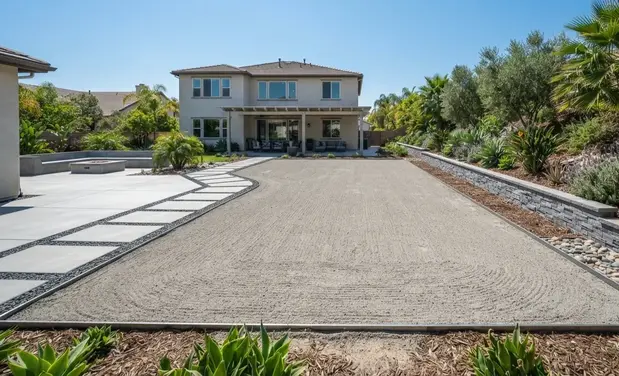
Every successful artificial turf installation begins with a properly excavated, graded, and compacted foundation engineered for long-term drainage and structural stability.
What Is An Artificial Turf Foundation System?
An artificial turf foundation system is the engineered structure installed beneath synthetic grass to provide stability, drainage, and long-term performance. Unlike traditional landscaping surfaces, artificial turf requires a properly designed base system that supports the turf while allowing water to move efficiently through the installation.
-
Native Soil Preparation
The existing ground is evaluated, excavated, and prepared to create a stable foundation beneath the turf system. Soil conditions determine excavation requirements, drainage improvements, and the appropriate foundation design needed for long-term performance. -
Aggregate Sub-Base Layer
Engineered aggregate materials create the structural support beneath artificial turf. This foundation layer provides stability, distributes surface loads, and allows moisture to move efficiently through the turf system. -
Compacted Surface Layer
Mechanical compaction creates a dense and stable foundation that helps reduce settlement, surface movement, low spots, and uneven areas beneath the artificial turf installation. -
Drainage Management System
Proper drainage planning and grading strategies help direct rainfall, irrigation runoff, and pet-related moisture away from the surface while protecting the stability of the foundation beneath the turf.
A professionally engineered artificial turf foundation system combines soil preparation, aggregate installation, compaction, and drainage planning to create a stable surface designed for long-term durability throughout the Inland Empire.
Common Turf Problems Caused By Poor Drainage & Improper Base Preparation
Many artificial turf failures begin beneath the surface before the synthetic grass is ever installed. Poor excavation, incorrect base materials, insufficient compaction, and inadequate drainage planning can compromise the entire turf system. Professional foundation preparation addresses these problems before installation begins, creating a stable surface designed for long-term performance.
Standing Water & Poor Drainage
Improper grading, compacted soils, clay conditions, or insufficient drainage layers can trap water beneath artificial turf. This can create soft areas, moisture problems, odors, and landscape damage.
Professional drainage engineering allows rainfall, irrigation runoff, and pet-related moisture to move efficiently through the turf foundation system.
Uneven Surfaces & Low Spots
Weak foundations, improper excavation, or poorly compacted sub-base materials can settle over time, creating dips, bumps, and inconsistent surface elevations.
Proper aggregate installation, grading, and mechanical compaction create a stable foundation that helps maintain a smooth finished turf surface.
Base Movement & Turf Shifting
Artificial turf depends on the stability of the foundation beneath it. Poor soil preparation, inadequate base depth, or insufficient compaction can allow movement that causes wrinkles, ripples, and seam stress.
Engineered sub-base systems provide structural support that helps keep turf secure and stable through daily use and seasonal changes.
Odors & Moisture Problems
Pet turf systems and high-use artificial turf applications require specialized drainage planning. Trapped moisture can reduce sanitation, increase odors, and negatively affect the performance of odor-control systems.
Proper foundation design improves water movement while supporting cleaner, healthier outdoor environments.
Heat & Soil Expansion Issues
Southern California heat cycles can worsen problems caused by unstable soil conditions. Poorly prepared ground may expand, contract, and shift beneath artificial turf.
Proper excavation, aggregate preparation, and compaction help create a more stable foundation designed for Inland Empire climate conditions.
Premature Turf Failure
A weak foundation places additional stress on turf seams, backing materials, edges, and synthetic grass fibers. Over time, this can lead to expensive repairs or replacement.
A professionally engineered drainage and sub-base system protects the entire turf investment by improving structural stability and long-term performance.
Professional turf drainage and sub-base installation creates the foundation necessary for a durable artificial turf system. Inland Empire Turf focuses on the critical components below the surface to improve drainage efficiency, prevent common installation failures, and create long-lasting landscape systems throughout Riverside County, San Bernardino County, and surrounding Inland Empire communities.
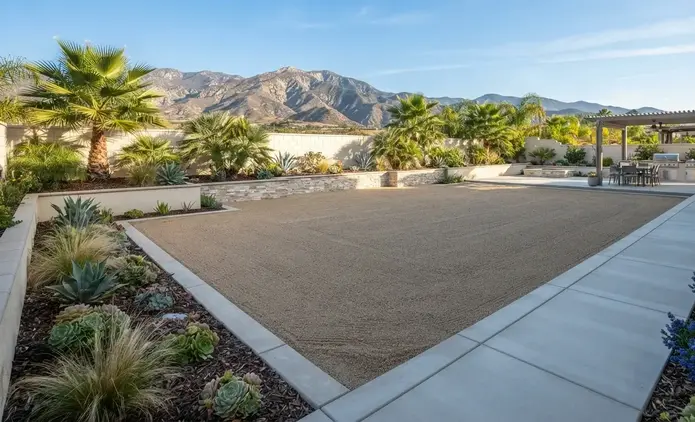
A professionally engineered foundation combines precise excavation, compacted aggregate, grading, and drainage preparation to create a stable base before artificial turf is installed.
Prevent Artificial Turf Drainage Problems Before They Start
Standing water, odors, uneven surfaces, and turf movement often begin with poor foundation preparation. Our drainage-focused installation process addresses soil conditions, grading, compaction, and water management before problems develop.
Call (909) 406-7718Engineered Artificial Turf Drainage & Foundation Systems
Every artificial turf project requires a drainage strategy based on soil conditions, property layout, elevation changes, intended use, and surrounding landscape features. Inland Empire Turf designs drainage systems that work together with the sub-base foundation to create stable, efficient, and long-lasting synthetic turf installations.
Engineered Aggregate Sub-Base Systems
Properly installed aggregate layers create the structural foundation beneath artificial turf. Engineered sub-bases provide stability, improve drainage, resist settlement, and support residential, commercial, athletic, and pet turf applications.
Surface & Vertical Drainage Systems
Artificial turf drainage depends on proper water movement through the entire system. Permeable turf backing, engineered aggregate layers, and proper grading help manage rainfall, irrigation runoff, and moisture buildup.
Channel & Edge Drainage
Some properties require additional drainage solutions beyond the turf base. Channel drains, edge drains, and custom water management systems help control runoff around slopes, patios, pools, driveways, and hardscape areas.
Precision Grading & Elevation Control
Accurate grading creates proper water flow while improving the finished appearance of the landscape. Precision elevations help integrate artificial turf with patios, walkways, retaining walls, and surrounding outdoor features.
Pet Turf Drainage Systems
Pet turf requires enhanced drainage planning to manage repeated rinsing, urine flow, and odor-control treatments. Specialized foundation systems improve sanitation, drying time, and long-term pet-friendly performance.
Heavy-Duty Commercial Turf Foundations
Commercial turf installations require stronger foundations designed for heavy traffic, maintenance equipment, and large landscaped areas. Engineered sub-base systems provide the durability and drainage performance needed for long-term commercial use.
Engineering Artificial Turf Foundation Systems for Inland Empire Soil Conditions
Soil conditions across Riverside County, San Bernardino County, and the Inland Empire vary widely. Clay soils, hardpan layers, decomposed granite, hillside terrain, and construction fill each require different foundation strategies. Inland Empire Turf designs every installation around the property’s soil conditions, drainage needs, intended use, and long-term performance goals.
The visible turf is only part of the system. Excavation depth, aggregate selection, grading, compaction, and drainage engineering beneath the surface determine how well the installation performs over time. By adapting each foundation to local Southern California conditions, we create turf systems that stay smooth, stable, and properly drained through seasonal weather changes and everyday use.
Expansive Clay Soils
Dense clay soils absorb water slowly and retain moisture, creating potential drainage issues. Our engineered excavation, aggregate layering, and grading strategies help stabilize clay-heavy properties and improve long-term drainage performance.
Hardpan Ground Conditions
Hardpan layers restrict natural drainage and can trap water beneath turf. We identify these compacted subsurface conditions during evaluation and design foundation systems that improve drainage and create a stable base.
Hillsides & Sloped Landscapes
Sloped properties require precise grading and water management to prevent erosion. Our foundation systems integrate with retaining walls, walkways, and landscape features while maintaining proper water flow and surface stability.
New Construction Properties
New homes often sit on imported fill soils that may continue settling. We stabilize these areas through proper excavation, aggregate installation, compaction, and grading to prevent future low spots or surface movement.
Southern California Heat
Extreme summer heat affects landscape materials. Engineered aggregate foundations help maintain stability during repeated heating and cooling cycles, preserving a smooth and durable turf surface.
Heavy Rain & Irrigation Runoff
Intense storms and irrigation runoff can overwhelm poorly prepared landscapes. Our drainage-focused foundation systems move water efficiently through the sub-base to reduce standing water and protect surrounding areas.
Local Knowledge Creates Better Turf Foundations
Soil conditions can vary dramatically between nearby cities, Rancho Cucamonga, Temecula, Corona, Riverside, and Moreno Valley each present unique grading and drainage challenges. Even neighboring homes may require different foundation designs based on previous landscaping, irrigation patterns, and soil composition.
That’s why every installation begins with a property-specific evaluation rather than a one-size-fits-all base specification. By designing each foundation around actual site conditions, Inland Empire Turf delivers turf systems built for long-term stability and performance.
-
Property-Specific Foundation Design
Each installation is engineered around soil conditions, drainage needs, elevations, and intended use. -
Hyperlocal Installation Experience
Extensive experience across Riverside and San Bernardino counties helps us anticipate common soil and drainage challenges. -
Long-Term Structural Performance
Proper excavation, grading, aggregate selection, drainage engineering, and compaction ensure smooth, stable, long-lasting turf.
Artificial turf foundations should never follow a generic template. Proper foundation preparation also reduces future maintenance issues, helping protect your investment through routine artificial turf maintenance. Inland Empire Turf evaluates soil conditions, drainage patterns, and environmental factors unique to each property to engineer durable, efficient, and reliable turf systems throughout Southern California.
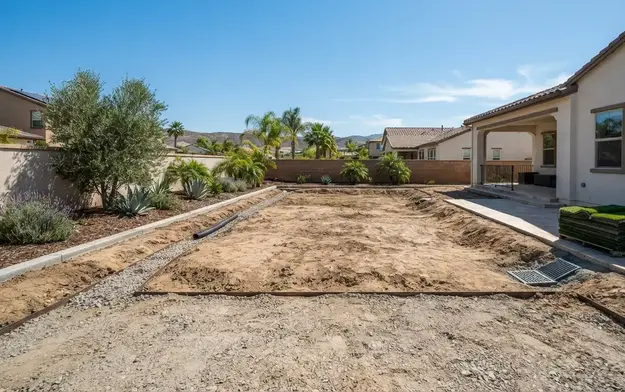
Inland Empire soil conditions vary from dense clay and hardpan to slopes and imported fill. Professional turf foundations are engineered around the unique conditions of each property.
Artificial Turf Drainage Solutions Designed For Different Applications
Artificial turf drainage requirements change depending on how the surface will be used. Residential landscapes, pet areas, commercial properties, playgrounds, pool environments, and athletic spaces all experience different moisture levels, traffic patterns, and performance demands. Inland Empire Turf designs foundation and drainage systems around the specific requirements of each application.
Residential Turf Drainage Systems
Residential artificial turf installations require drainage systems that balance everyday performance with long-term landscape protection. Proper grading, aggregate preparation, and permeable foundation layers help manage irrigation runoff, rainfall, and normal residential use.
Pet Turf Drainage Systems
Pet turf requires specialized drainage planning because of repeated moisture exposure, cleaning requirements, and odor-control needs. Engineered foundations improve urine drainage, accelerate drying, and help create a cleaner outdoor environment for pets and homeowners.
Sports Turf Foundation Systems
Sports turf applications require foundations designed for repeated athletic use, impact, and consistent surface performance. Proper base construction improves stability, drainage efficiency, and long-term durability for training areas, recreational facilities, and athletic environments.
Commercial Turf Drainage Systems
Commercial landscapes require stronger drainage and foundation systems capable of supporting larger areas, continuous pedestrian traffic, maintenance equipment, and long-term appearance requirements for offices, retail properties, HOAs, and public spaces.
Playground Turf Drainage Preparation
Playground turf systems require careful foundation planning to support drainage performance, impact-absorbing safety systems, accessibility requirements, and consistent use in high-traffic environments.
Poolside Turf Drainage Systems
Pool environments require drainage solutions that manage splash water, cleaning, rainfall, and surrounding hardscape runoff while maintaining a stable, comfortable outdoor surface designed for barefoot use.
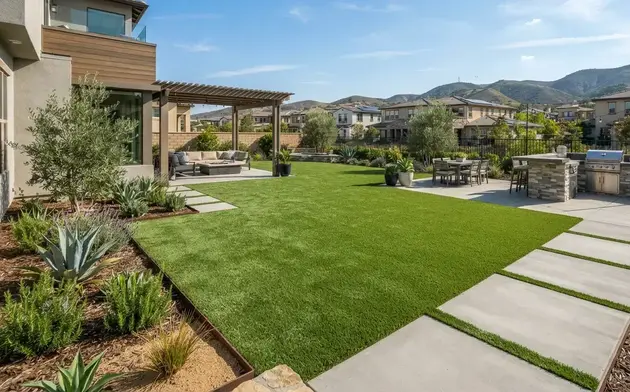
Professional artificial turf drainage systems are designed around the entire landscape. Proper grading, foundation preparation, and seamless transitions with hardscape help create a stable outdoor environment built for long-term performance.
Ready For A Professionally Engineered Artificial Turf Foundation?
Every property throughout the Inland Empire has different soil conditions, drainage challenges, and installation requirements. Inland Empire Turf designs custom foundation systems that improve stability, drainage performance, and long-term artificial turf durability.
Call (909) 406-7718 Get A Free QuoteArtificial Turf Base & Sub-Base Engineering For Long-Term Performance
The foundation beneath artificial turf determines how the finished landscape performs years after installation. A properly engineered sub-base provides structural support, promotes drainage, improves surface consistency, and helps prevent common failures such as wrinkles, low spots, shifting, and standing water. Inland Empire Turf designs every foundation system around the property's soil conditions, drainage requirements, intended use, and long-term performance goals.
Proper Excavation Depth
Artificial turf installations begin by removing unsuitable soil and preparing the ground for a stable foundation. Excavation depth is determined by existing soil conditions, intended use, drainage requirements, and surrounding landscape features. Proper preparation creates the space needed for a high-performance foundation system.
Engineered Aggregate Base
The aggregate layer forms the structural foundation beneath artificial turf. Properly selected crushed rock materials are installed and distributed evenly to support the finished surface while promoting efficient drainage throughout the sub-base.
Mechanical Compaction
Mechanical compaction increases the density and stability of the aggregate foundation. This critical step helps minimize future settling, reduces surface movement, and creates a firm base capable of supporting years of residential or commercial use.
Drainage Integration
Proper grading and drainage planning allow rainfall, irrigation runoff, and other moisture to move efficiently through the foundation. Integrating drainage into the base system helps reduce standing water while protecting surrounding landscape and hardscape features.
Weed Barrier & Soil Separation
Depending on site conditions, weed barrier materials and soil separation layers may be incorporated into the foundation system. These components help reduce vegetation growth, improve base stability, and help keep aggregate materials separated from the underlying soil over time.
Final Surface Preparation
Before artificial turf is installed, the completed foundation is fine graded and inspected to verify smooth elevations, consistent compaction, and proper drainage. Careful finishing creates the ideal surface for a clean, professional turf installation.
Why Artificial Turf Base Preparation Matters
Many artificial turf problems originate below the surface. Poorly prepared foundations can lead to uneven areas, standing water, shifting turf, visible seams, premature wear, and costly repairs. By focusing on excavation, engineered aggregate installation, compaction, grading, and drainage integration, Inland Empire Turf builds foundation systems designed to withstand Southern California's demanding soil conditions and climate.
-
Improved Surface Stability
A properly engineered base creates a firm foundation that helps artificial turf remain smooth, level, and visually consistent for years. -
Superior Drainage Performance
Engineered aggregate layers and precision grading allow water to move efficiently through the foundation, reducing standing water and moisture-related problems. -
Long-Term Structural Reliability
Proper excavation, compaction, and foundation preparation help minimize settling, movement, wrinkles, and premature turf failure while extending the life of the entire installation.
A professionally engineered foundation is one of the most important investments in any artificial turf project. By combining proper excavation, aggregate selection, compaction, grading, drainage planning, and careful surface preparation, Inland Empire Turf creates stable foundation systems designed for long-term durability, efficient water management, and dependable performance throughout the Inland Empire.
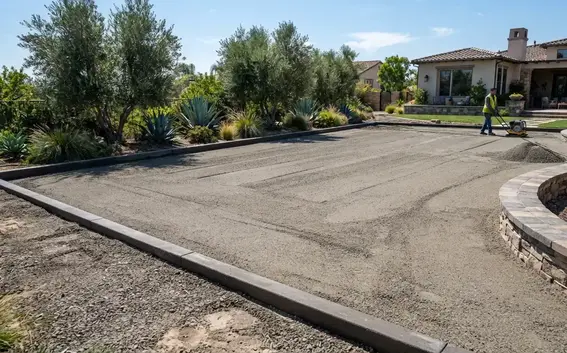
The foundation beneath artificial turf determines long-term performance. Proper excavation, aggregate installation, compaction, and grading create the stability required for a durable installation.
The Components Of A Professional Artificial Turf Foundation System
A long-lasting artificial turf installation begins below the surface. Each layer of the sub-base system serves a specific purpose, from supporting the turf structure to managing drainage and preventing future movement. Professional installation combines proper excavation, engineered materials, and precise compaction to create a foundation designed for Inland Empire conditions. Learn more about our complete professional artificial turf installation process and how proper preparation impacts long-term performance.
-
Proper Excavation Depth
Professional excavation removes vegetation, unstable soils, roots, organic material, and existing landscape debris to create a clean structural foundation. Excavation depth is determined by the intended application, soil conditions, and required base thickness rather than using a one-size-fits-all approach. -
Compacted Aggregate Base
Multiple layers of crushed aggregate are installed and compacted to create a stable load-bearing foundation. Proper aggregate selection improves structural integrity, promotes drainage, minimizes settling, and provides consistent support beneath the entire artificial turf surface. -
Drainage-Friendly Base Design
The aggregate foundation is engineered to balance strength with permeability. Water moves efficiently through the base while the compacted material maintains long-term stability beneath residential lawns, pet areas, sports turf, and commercial installations. -
Precision Leveling & Grading
Laser-accurate grading helps eliminate low spots before turf installation begins. Proper elevations improve appearance, prevent puddling, and ensure smooth integration with surrounding concrete, pavers, retaining walls, and landscape features. -
Mechanical Compaction
Each aggregate layer is mechanically compacted to achieve consistent density throughout the installation. Proper compaction helps prevent future settlement, surface movement, wrinkles, and uneven turf conditions that commonly develop on improperly prepared foundations. -
Edge Stabilization & Transitions
Professional edge preparation secures the perimeter of the turf system while creating clean transitions between artificial grass and adjacent hardscape. Proper edge construction helps maintain straight lines, prevents movement, and protects the finished installation over time.
A professionally engineered artificial turf foundation protects the entire installation from below the surface and helps reduce future issues addressed through proper artificial turf maintenance. Inland Empire Turf focuses on proper excavation, drainage, grading, and compaction to create turf systems that remain stable, functional, and visually appealing throughout Riverside and San Bernardino counties.
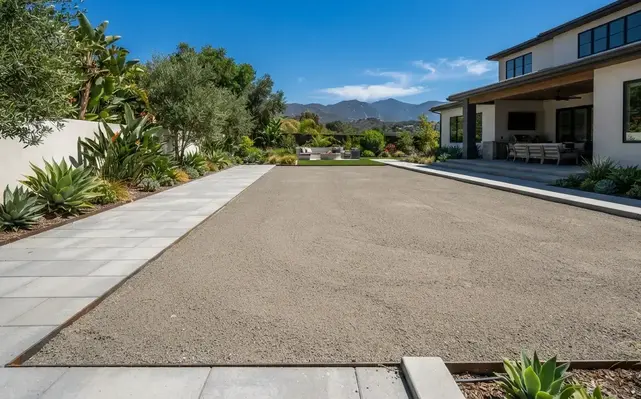
Before artificial turf is installed, the finished foundation is carefully graded, compacted, and inspected to create a smooth, stable surface. This precision preparation helps support proper drainage, long-term durability, and a flawless finished installation.
Artificial Turf Foundation Materials Explained
The materials installed beneath artificial turf determine how the system performs over time. Professional installations use carefully selected foundation components designed to provide structural support, drainage efficiency, and resistance against settling.
-
Aggregate Base Materials
Crushed aggregate creates the structural foundation beneath synthetic turf. Properly installed aggregate provides stability, supports drainage, distributes loads, and creates a reliable surface for turf installation. -
Drainage Aggregate Systems
Drainage-focused materials allow moisture to move through the foundation while maintaining structural integrity beneath the turf surface. -
Geotextile Separation Materials
Depending on soil conditions, separation fabrics may be used to help prevent migration between native soil and aggregate layers while improving long-term foundation performance. -
Compacted Foundation Layers
Proper compaction transforms loose aggregate into a stable structural system capable of supporting residential, commercial, and high-use artificial turf applications.
Choosing the correct foundation materials is essential for artificial turf performance. Inland Empire Turf evaluates soil conditions, drainage requirements, and intended use to determine the proper foundation approach for each project.
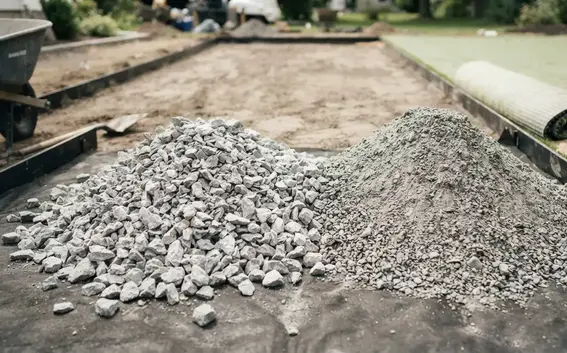
Quality foundation materials are essential for artificial turf performance. Proper aggregate selection improves drainage, stability, and long-term durability.
Artificial Turf Drainage Site Evaluation Process
Before excavation begins, a professional site evaluation identifies soil conditions, drainage challenges, grading concerns, and foundation requirements that affect long-term artificial turf performance. Every Inland Empire property requires a customized approach based on how water moves, how the space will be used, and what conditions exist beneath the surface.
Analyze Existing Soil Conditions
We evaluate existing ground conditions including clay soils, compacted areas, hardpan layers, and unstable materials that may affect excavation, drainage, and foundation stability.
Evaluate Water Movement
Drainage patterns, irrigation runoff, slopes, and low areas are reviewed to determine how water should be managed before turf installation begins.
Review Elevations & Transitions
Existing grades are measured to ensure proper transitions with patios, walkways, pool decks, fences, and surrounding landscape features.
Determine Base Requirements
Foundation requirements are selected based on soil conditions, drainage needs, traffic levels, and the intended application.
Identify Potential Problems
Site evaluation helps uncover access limitations, drainage issues, irrigation conflicts, slopes, and other challenges before construction begins.
Create Installation Plan
The final recommendation outlines the proper excavation depth, drainage strategy, foundation system, and installation approach for the property.
A detailed site evaluation prevents costly mistakes by identifying drainage, soil, and grading challenges before installation begins. Proper planning creates the foundation for a stronger artificial turf system.
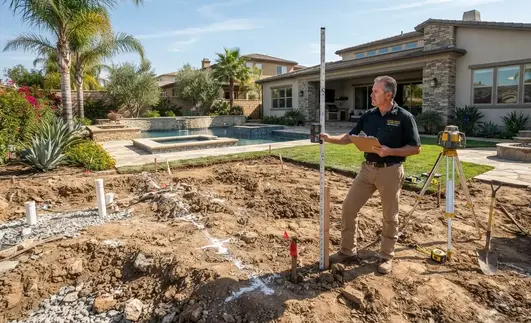
Every successful artificial turf installation begins with evaluating soil conditions, grading, drainage patterns, and foundation requirements before excavation starts.
Find Out What Your Property Needs Before Installing Turf
Every Inland Empire property has different soil conditions, drainage challenges, and foundation requirements. Schedule a professional evaluation to determine the right excavation depth, drainage strategy, and sub-base system for your installation.
Call (909) 406-7718 Schedule A Site EvaluationHow An Artificial Turf Foundation System Works Together
A professional artificial turf installation is not built from a single layer of material. The foundation beneath synthetic grass functions as a complete engineered system where excavation, aggregate, compaction, grading, and drainage work together to create a stable and reliable surface. Each component plays an important role in supporting the turf and managing water movement throughout the installation.
-
Prepared Native Soil Foundation
The existing soil is evaluated and prepared before any base materials are installed. Removing unstable materials, correcting ground conditions, and establishing proper excavation depth creates the starting point for a durable artificial turf system. -
Structural Aggregate Support Layer
Engineered aggregate creates the load-bearing foundation beneath the turf. This layer provides stability, distributes weight, supports heavy use, and creates pathways for efficient drainage. -
Compacted Structural Surface
Mechanical compaction strengthens the foundation by increasing material density and reducing movement. Proper compaction helps prevent settling, uneven surfaces, and long-term turf performance issues. -
Integrated Drainage Performance
The foundation system is designed to move water efficiently through the installation. Proper grading and drainage planning help manage rainfall, irrigation runoff, and moisture from high-use applications such as pet turf.
Artificial turf performance depends on the entire foundation system working together. By engineering each layer correctly, Inland Empire Turf creates installations designed for stability, drainage efficiency, and long-term durability.
Our Artificial Turf Sub-Base & Drainage Installation Process
A professional artificial turf installation depends on the quality of the foundation beneath the surface. After evaluating the property conditions, we follow a structured construction process focused on proper excavation, engineered aggregate installation, drainage performance, precision grading, and long-term stability. Every foundation system is built around the specific requirements of the landscape rather than using a one-size-fits-all approach.
Project Layout & Preparation
Before construction begins, installation areas are marked, elevations are confirmed, access requirements are reviewed, and the project layout is finalized. This preparation ensures excavation, drainage, and foundation installation follow the correct design plan.
Excavation & Ground Preparation
Existing grass, vegetation, debris, and unsuitable soil are removed to create the proper depth for the engineered foundation. Proper excavation establishes the space needed for aggregate installation while helping reduce future settling and surface movement.
Engineered Aggregate Base Installation
Compacted aggregate materials are installed to create the structural foundation beneath the artificial turf system. The base is evenly distributed, shaped to proper elevations, and designed to provide strength while allowing efficient water movement.
Compaction & Precision Grading
Mechanical compaction creates a dense and stable foundation capable of supporting long-term use. Precision grading establishes proper slopes and elevations to improve drainage while creating a smooth surface for turf installation.
Drainage System Integration
Additional drainage solutions are incorporated when needed to manage rainfall, irrigation runoff, slopes, and site-specific moisture concerns. Channel drains, edge drainage, and grading improvements are integrated into the foundation system when required.
Final Foundation Inspection
Before artificial turf installation begins, the completed foundation is inspected for proper grading, compaction, drainage performance, and surface consistency. This final quality check helps ensure the finished turf system performs as designed.
A professionally installed artificial turf foundation requires more than placing synthetic grass over prepared ground. By combining proper excavation, engineered aggregate systems, drainage planning, compaction, and precision grading, Inland Empire Turf creates stable foundation systems designed for long-term performance throughout the Inland Empire.
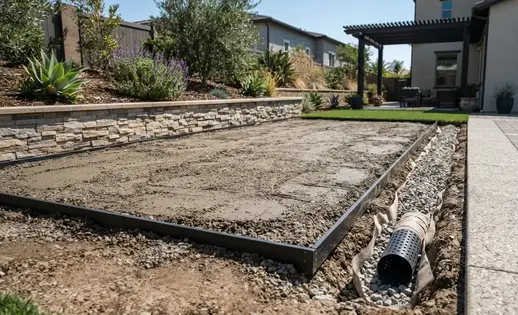
A professionally engineered foundation combines excavation, aggregate, grading, drainage, and compaction to create a stable artificial turf system.
Artificial Turf Foundation Inspection Standards For Inland Empire Properties
A professionally installed artificial turf foundation is not complete until the system has been inspected for proper elevations, compaction consistency, drainage performance, and surface preparation. Inland Empire Turf evaluates critical foundation details before synthetic grass installation begins to help ensure the finished landscape performs correctly in Southern California conditions.
-
Elevation & Slope Verification
Foundation elevations are reviewed to confirm proper grades, smooth transitions, and correct drainage direction. Accurate measurements help ensure artificial turf integrates properly with patios, walkways, pool decks, curbs, fences, and surrounding landscape features throughout the Inland Empire. -
Base Density & Compaction Review
Compacted foundation layers are inspected for consistency and stability before turf installation begins. Proper compaction helps reduce settlement, soft areas, shifting, and surface movement caused by soil conditions, temperature changes, and long-term use. -
Surface Flatness & Preparation Inspection
The completed foundation surface is reviewed for smoothness, consistency, and installation readiness. Identifying low areas, uneven sections, or surface imperfections before turf installation helps prevent visible defects and improves the finished appearance of the artificial turf system. -
Drainage Flow Verification
Drainage performance is evaluated by reviewing slopes, water movement patterns, irrigation runoff, and potential collection areas. Proper drainage verification helps prevent standing water, moisture buildup, odors, and long-term foundation issues common in challenging Inland Empire soil conditions. -
Foundation Material Consistency Check
The completed base system is reviewed to ensure foundation materials have been installed consistently throughout the project area. Uniform preparation helps create dependable support beneath residential lawns, pet turf areas, commercial landscapes, and high-use applications. -
Final Installation Readiness Approval
Before artificial turf is installed, the foundation receives a final review to confirm proper preparation, drainage performance, grading accuracy, and overall readiness. This quality control step helps ensure the turf system begins with a stable foundation designed for long-term performance.
Quality control is what separates professional artificial turf installation from basic surface preparation. By verifying grading, compaction, drainage, and foundation readiness before installation, Inland Empire Turf builds systems designed to perform reliably throughout Riverside County, San Bernardino County, and the surrounding Inland Empire.
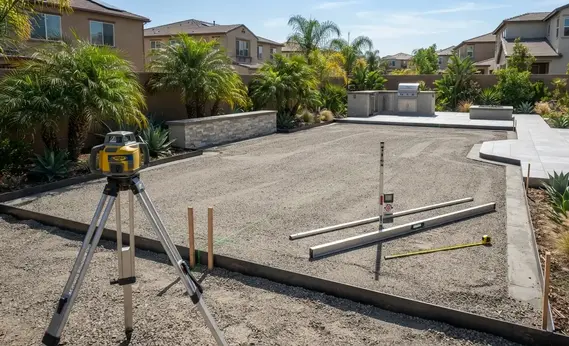
Professional quality control verifies grading, drainage performance, and foundation stability before artificial turf installation begins.
Drainage Problems Found During Artificial Turf Replacement Projects
Many artificial turf replacement projects reveal hidden issues beneath the original installation. Poor drainage, improper base preparation, and unstable foundations often lead to surface failures that appear months or years later. Identifying these problems is essential for rebuilding a durable, long‑lasting turf system.
Standing Water Under Turf
Inadequate drainage systems can trap moisture beneath synthetic grass, causing odors, bacteria buildup, and premature turf deterioration. Replacement often requires correcting grading, rebuilding the sub‑base, and installing proper drainage pathways to prevent recurring water issues.
Sinking & Low Areas
Poor compaction or insufficient base depth can lead to settling, dips, and uneven surfaces. During replacement, these areas are excavated and rebuilt with properly compacted aggregate to restore stability and prevent future sinking.
Seam & Edge Failures
Movement in the foundation places stress on turf seams and perimeter edges, causing lifting or separation. Correcting the underlying base and drainage system helps ensure seams remain secure and edges stay properly anchored.
Odor & Bacteria Issues in Pet Turf
Many older pet turf installations lack proper drainage and deodorizing foundations. Trapped urine and moisture lead to strong odors and hygiene problems. Replacement often includes installing permeable base materials and improved drainage designed specifically for pet use.
Poor Grading & Improper Slopes
Incorrect grading can cause water to flow toward the turf instead of away from it, creating puddling and erosion. Replacement projects frequently require re‑establishing proper elevations to ensure positive drainage and long‑term surface stability.
Insufficient or Incorrect Base Materials
Some older installations use sand, decomposed granite, or thin base layers that cannot support long‑term use. Replacements often involve removing the failed foundation and installing engineered aggregate designed for strength, drainage, and durability.
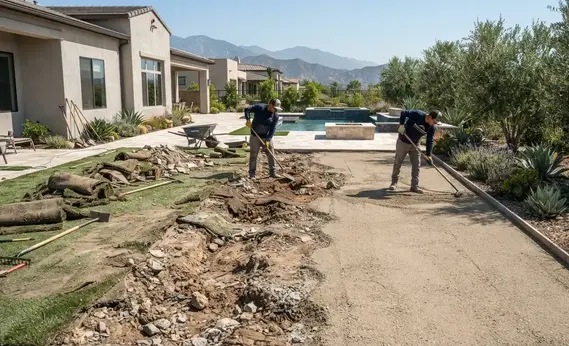
Removing failed artificial turf often exposes drainage problems, poor compaction, and inadequate foundations that require reconstruction.
Fix Artificial Turf Problems Before They Get Worse
Standing water, odors, sinking areas, and turf movement are often signs of foundation problems below the surface. Inland Empire Turf can evaluate existing installations and recommend drainage corrections, foundation repairs, or complete replacement solutions.
Call (909) 406-7718 Request A Turf AssessmentArtificial Turf Drainage & Foundation System Costs Throughout The Inland Empire
Every artificial turf foundation system is engineered around the property's existing soil conditions, drainage requirements, grading, and intended use. Pricing depends on excavation depth, aggregate quantities, site accessibility, elevation changes, water management requirements, and the amount of preparation needed before artificial turf can be installed. A simple residential backyard requires a different foundation than a pet area, commercial landscape, or high-performance sports facility.
We evaluate each property individually and develop recommendations designed for long-term stability, efficient drainage, and dependable performance. Investing in proper excavation, aggregate installation, grading, and drainage engineering beneath the surface helps reduce future settlement, standing water, uneven areas, and premature turf replacement.
Typical Artificial Turf Foundation Investment Factors
Residential Foundation Systems
$2,500 – $10,000+
Designed for front yards, backyards, side yards, and general residential landscapes. Pricing varies based on excavation depth, aggregate requirements, drainage improvements, grading complexity, and the size of the installation area.
Pet Turf Drainage Foundations
$3,500 – $12,000+
Pet-friendly installations often require enhanced drainage systems, permeable sub-base construction, odor-control considerations, and additional preparation to accommodate frequent rinsing and daily use.
Drainage Correction & Water Management
$1,500 – $8,000+
Properties with poor drainage, standing water, irrigation runoff, or challenging slopes may require grading corrections, channel drains, edge drains, or custom drainage systems before turf installation begins.
Commercial Foundation Systems
Custom Quote
Commercial properties require engineered sub-base systems capable of supporting continuous foot traffic, maintenance equipment, larger landscapes, accessibility requirements, and long-term durability.
Challenging Soil & Grading Conditions
Varies By Site Conditions
Clay soils, hardpan layers, imported fill, hillside properties, and uneven grades often require additional excavation, aggregate installation, stabilization, and drainage engineering before artificial turf can be installed.
Custom Engineered Foundation Systems
Custom Quote
Large residential estates, athletic facilities, HOA communities, municipalities, and specialty projects requiring advanced drainage engineering or complex site preparation receive a customized foundation design and project proposal.
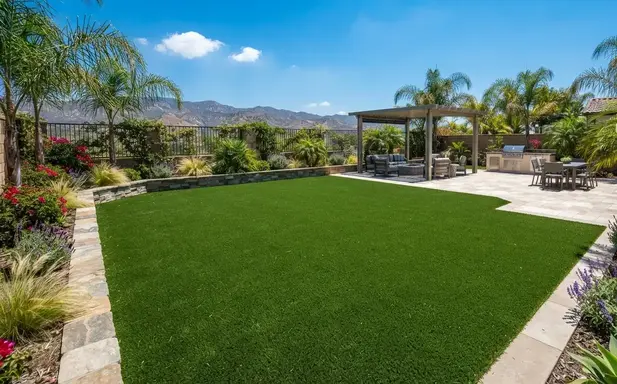
Investing in proper excavation, grading, drainage engineering, and foundation preparation creates an artificial turf installation designed to remain smooth, stable, and beautiful for years.
What Separates Professional Turf Base Preparation From Basic Artificial Grass Installation
Artificial turf may look similar on the surface, but the quality of the installation is determined by everything beneath it. Professional contractors invest significantly more time in excavation, grading, drainage engineering, sub-base construction, and compaction because these hidden components determine how the turf performs five, ten, or even fifteen years after installation.
-
Engineered Material Selection
Professional installers understand that different applications require different base approaches. Residential lawns, pet areas, commercial landscapes, and high-use turf zones each have unique requirements. -
Drainage Planning Before Installation
Drainage issues are addressed before turf is installed rather than after problems appear. Proper planning helps prevent standing water, odors, and landscape damage. -
Accurate Elevation Control
Correct grading ensures turf integrates properly with surrounding hardscape while allowing water to move efficiently through the system. -
Professional Compaction Equipment
Proper compaction creates a stronger foundation than basic hand preparation methods, reducing movement and long-term maintenance issues. -
Application-Specific Foundation Design
Every artificial turf installation has different structural requirements. Pet turf, playground turf, putting greens, commercial landscapes, and sports fields each require different base depths, drainage strategies, compaction standards, and foundation designs to deliver long-term performance
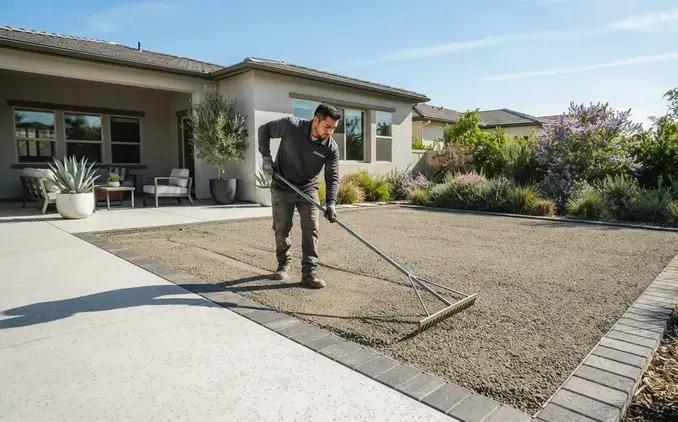
Precision grading, accurate elevations, and careful foundation preparation create the difference between a basic installation and an engineered artificial turf system designed for long-term performance.
Build Your Artificial Turf Project On An Engineered Foundation
Every successful artificial turf installation begins long before the synthetic grass is installed. Inland Empire Turf designs engineered drainage systems, aggregate sub-base foundations, grading plans, and site-specific preparation methods that create stable, long-lasting turf installations throughout Riverside County, San Bernardino County, and the Inland Empire. Contact us today for a free consultation and estimate.
Call (909) 406-7718 Get A Free QuoteArtificial Turf Drainage & Foundation Systems Service Area
We design and install engineered artificial turf drainage and foundation systems throughout the Inland Empire for residential landscapes, pet turf installations, commercial properties, sports facilities, playgrounds, poolside turf environments, HOAs, schools, and municipal projects. Every installation begins with a site-specific evaluation of soil conditions, drainage requirements, grading, excavation, and aggregate sub-base construction to create a stable foundation built for long-term synthetic turf performance.
Whether you're installing artificial turf for a new landscape through our residential turf installation services, replacing an existing lawn, renovating a commercial property, or solving drainage challenges before turf installation, our foundation systems are designed to perform in Southern California's demanding conditions. From compacted clay soils and hardpan to heavy irrigation runoff, slopes, and seasonal rain events, we engineer every sub-base and drainage system to improve stability, water management, and the overall lifespan of your artificial turf investment.
- Riverside County
- San Bernardino County
- Rancho Cucamonga
- Ontario
- Upland
- Claremont
- Fontana
- Rialto
- Redlands
- Highland
- San Bernardino
- Riverside
- Corona
- Eastvale
- Norco
- Chino
- Chino Hills
- Montclair
- Pomona
- Jurupa Valley
- Beaumont
- Banning
- Yucaipa
- Loma Linda
- Lake Elsinore
- Murrieta
- Temecula
- Menifee
- Moreno Valley
- Perris
- Residential Properties, Commercial Landscapes, HOAs, Schools, Sports Facilities, Playgrounds, Pool Areas & Pet Turf Installations Throughout the Inland Empire
If you're planning an artificial turf installation anywhere in the Inland Empire, we evaluate your property's soil conditions, drainage patterns, elevations, intended use, and surrounding landscape features before construction begins. Our goal is to build an engineered foundation system that supports efficient drainage, long-term structural stability, and a professional artificial turf installation designed to perform for years to come.
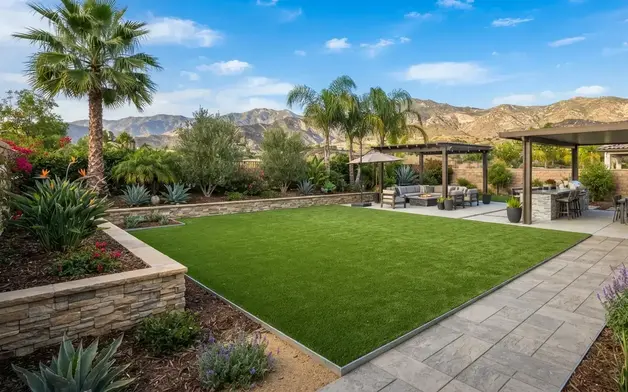
From Rancho Cucamonga and Ontario to Riverside, Corona, Temecula, and communities throughout the Inland Empire, engineered artificial turf foundation systems provide lasting beauty, efficient drainage, and dependable long-term performance.
Why Inland Empire Climate Requires Engineered Turf Foundations
Artificial turf installations throughout Riverside and San Bernardino counties must be designed around Southern California's demanding climate conditions. Extreme summer temperatures, dense clay soils, limited natural drainage, irrigation runoff, and seasonal heavy rainfall can all affect how a turf system performs over time. A properly engineered foundation helps create a stable surface that is built for the unique challenges found throughout the Inland Empire.
Unlike basic artificial grass installations that rely on minimal ground preparation, professionally engineered turf systems account for the conditions below the surface. Proper excavation, aggregate selection, compaction, grading, and drainage planning work together to reduce movement, improve water management, and protect the long-term performance of the entire installation.
Extreme Heat & Expansion Cycles
Inland Empire summers regularly experience temperatures above 100°F. Heat causes materials beneath turf systems to expand and contract, which can contribute to movement, uneven areas, and surface imperfections when foundations are improperly prepared. A properly compacted base helps maintain stability through seasonal temperature changes.
Heavy Rainfall & Water Management
Although Southern California receives limited annual rainfall, intense storms can create significant runoff in a short period of time. Engineered drainage systems help move water through the turf foundation while reducing pooling, oversaturation, and moisture-related issues.
Clay Soils & Restricted Drainage
Many Inland Empire properties contain dense clay soils that naturally drain slowly. Without proper preparation, water can become trapped beneath artificial turf. Engineered aggregate layers and drainage planning create a more reliable foundation that improves water movement.
Slopes, Elevation Changes & Grading
Properties throughout the Inland Empire often include slopes, elevation transitions, and complex landscape layouts. Precision grading ensures artificial turf integrates correctly with patios, walkways, retaining walls, and surrounding hardscape features while maintaining proper drainage.
Irrigation Runoff & Moisture Control
Artificial turf areas often receive runoff from sprinklers, surrounding landscaping, and nearby hardscape surfaces. Proper foundation design helps control moisture movement and prevents water from collecting beneath the turf system.
Long-Term Foundation Performance
A professionally engineered foundation protects the entire turf investment by reducing settlement, surface movement, drainage failures, and premature repairs. Building the system correctly below the surface creates better performance for years after installation.
Inland Empire properties require artificial turf foundations designed around local climate, soil, and drainage conditions. By combining proper excavation, engineered aggregate, compaction, grading, and water management strategies, Inland Empire Turf builds systems designed for dependable long-term performance.
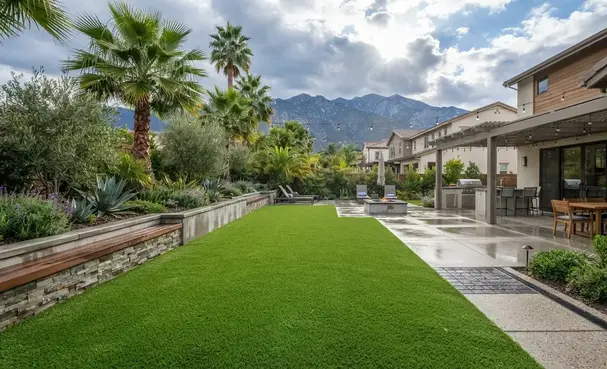
Engineered drainage and properly compacted sub-base systems help artificial turf perform through Inland Empire heat, clay soils, irrigation runoff, and seasonal storms.
Common Artificial Turf Foundation Failures Caused By Poor Preparation
Many artificial turf problems develop because the foundation beneath the surface was not properly engineered. Poor excavation, inadequate drainage, insufficient compaction, and improper grading can create failures that affect appearance, performance, and the lifespan of the entire turf system.
Standing Water & Poor Drainage
Incorrect grading, restricted drainage pathways, compacted native soils, or inadequate foundation materials can trap moisture beneath artificial turf. Over time, standing water can contribute to odors, bacteria buildup, turf deterioration, and surrounding landscape drainage issues.
Turf Movement & Surface Wrinkling
Weak or unstable foundations can allow the turf system to shift after installation. Poor compaction, uneven base preparation, and ground movement may lead to wrinkles, rippling, uneven areas, and a finished surface that no longer maintains its original appearance.
Settling & Low Spots
Inadequate excavation, insufficient base depth, or poor compaction can cause areas of the foundation to settle over time. These low spots collect water, create uneven surfaces, and reduce the long-term performance of the artificial turf installation.
Seam & Edge Separation
Foundation movement places additional stress on turf seams, perimeter edges, and transition areas. Without a stable foundation system, seams can separate, edges may lift, and the installation can lose its clean professional appearance.
Poor Grading & Water Flow Problems
Incorrect elevations can prevent water from moving away from turf surfaces and surrounding structures. Professional grading ensures proper drainage direction while maintaining smooth transitions with patios, walkways, pool decks, and landscape areas.
Insufficient Foundation Materials
Thin base layers, improper materials, or poorly prepared foundations may not provide the structural support needed for long-term performance. Engineered aggregate systems help create a stable foundation designed for Inland Empire conditions and intended turf use.
Most artificial turf failures begin below the surface. Proper excavation, engineered base construction, drainage planning, and professional compaction help prevent costly repairs while creating a turf system designed for long-term durability.
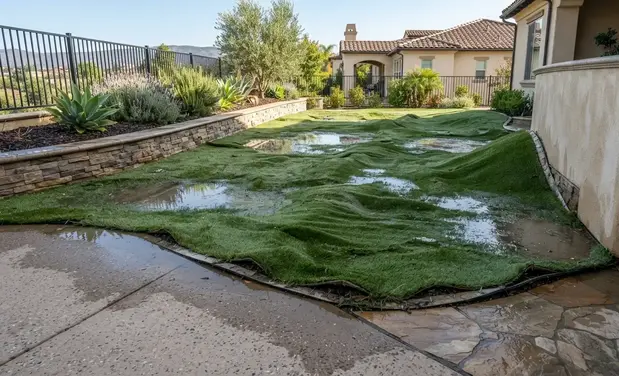
Many artificial turf problems begin beneath the surface. Poor drainage, inadequate compaction, and improper grading often lead to settlement, wrinkles, standing water, and premature turf failure.
Need An Artificial Turf Foundation Evaluation?
Whether you're installing new artificial turf or dealing with drainage issues, uneven surfaces, or foundation concerns from an existing installation, Inland Empire Turf evaluates excavation, sub-base conditions, grading, compaction, and drainage performance to determine the right solution for your property.
Call (909) 406-7718 Request A Free AssessmentSigns Your Artificial Turf Foundation May Be Failing
Artificial turf problems are often caused by issues beneath the surface. Identifying early warning signs can help prevent larger repairs and protect the investment made in your landscape.
-
Water Pooling After Rainfall
Standing water, slow drainage, or areas that remain wet after irrigation may indicate improper grading, compacted soil, or an insufficient drainage foundation beneath the turf. -
Wrinkles, Ripples, Or Surface Movement
Turf movement commonly develops when the foundation beneath the installation was not properly excavated, compacted, or stabilized. -
Soft Spots Or Depressions
Low areas and soft sections may indicate settling caused by inadequate base depth, poor compaction, or unstable soil conditions. -
Separating Seams Or Raised Edges
Movement beneath the turf can place stress on seams, transitions, and perimeter edges, creating visible installation problems. -
Persistent Pet Odors
Strong odors often indicate trapped moisture, poor drainage, or a foundation system that was not designed for repeated pet use.
Identifying foundation problems early can help prevent complete turf replacement. Professional evaluation can determine whether drainage improvements, foundation repair, ongoing turf maintenance, or replacement is the best solution.
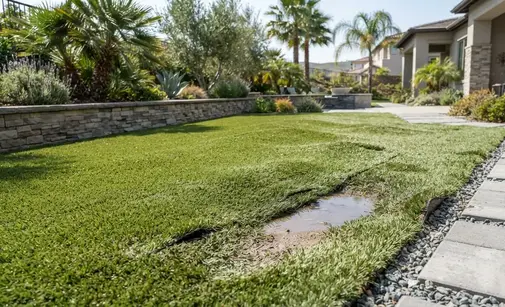
Identifying drainage problems, settlement, wrinkles, and seam movement early can help prevent more extensive artificial turf foundation repairs.
Artificial Turf Drainage & Foundation Systems FAQs
- Why are artificial turf foundation systems important?
- The foundation system is the structural layer that supports the entire artificial turf installation. Professional preparation includes excavation, engineered aggregate sub-base installation, grading, drainage planning, and mechanical compaction to create a stable surface that resists settling, improves water movement, and protects the turf system from premature issues.
- How much base is needed for artificial turf?
- The amount of base material depends on existing soil conditions, the intended use of the turf, drainage requirements, and the amount of excavation performed. Residential lawns, pet areas, playgrounds, sports turf, and commercial landscapes often require different sub-base depths to provide the proper combination of structural support, drainage performance, and long-term stability.
- What materials are used beneath artificial turf?
- Professional artificial turf foundation systems typically use engineered aggregate materials installed beneath the synthetic grass surface. These sub-base materials provide structural support, improve drainage performance, distribute loads, and create a stable foundation for residential, pet, commercial, athletic, and high-use turf applications.
- Does artificial turf need a drainage system?
- Yes. Although artificial turf is designed to allow water movement, proper drainage depends on the preparation beneath the surface. A professionally installed drainage system uses proper grading, permeable base materials, and site-specific solutions to help manage rainfall, irrigation runoff, and moisture throughout the landscape.
- How does Inland Empire soil affect artificial turf drainage?
- Many Inland Empire properties contain compacted clay soils, hardpan layers, and conditions that can restrict natural water movement. These soil characteristics make proper sub-base preparation especially important. Professional installation evaluates existing ground conditions and creates a drainage strategy designed around the property's specific challenges.
- What happens if artificial turf is installed without proper base preparation?
- Poor preparation can lead to several long-term problems including uneven surfaces, sinking areas, standing water, turf movement, seam separation, odors, and premature wear. Artificial turf is only as reliable as the foundation beneath it, which is why professional excavation, grading, and compaction are critical parts of the installation process.
- How deep is the excavation for artificial turf installation?
- Excavation depth depends on the application, existing soil conditions, turf type, drainage requirements, and surrounding landscape features. Professional installers determine the appropriate depth needed to accommodate the engineered base system while ensuring proper elevations with patios, walkways, curbs, and other hardscape elements.
- Can artificial turf be installed directly over existing dirt or soil?
- Direct installation over untreated soil is not recommended for long-term performance. Natural soil can shift, compact unevenly, and restrict drainage. Proper excavation and installation of a compacted aggregate base creates a stronger foundation that helps artificial turf remain smooth, stable, and functional for years.
- What is the purpose of compacting the turf base?
- Compaction creates a dense and stable foundation beneath artificial turf. Properly compacted base materials help reduce settling, improve surface stability, and prevent movement that can create uneven areas or wrinkles. Professional compaction equipment helps achieve a stronger installation than basic surface preparation methods.
- Does pet turf require special drainage preparation?
- Yes. Pet turf systems require additional drainage considerations because they experience repeated moisture exposure and odor-related challenges. Proper sub-base preparation helps improve water movement while supporting cleaning routines, antimicrobial systems, and long-term pet-friendly performance.
- How does proper grading improve artificial turf performance?
- Proper grading directs water away from the turf surface and surrounding structures while preventing low areas where moisture can collect. Accurate elevation control helps create a smoother finished landscape and improves drainage performance during rainfall and irrigation events.
- Can drainage problems be fixed after artificial turf is installed?
- Some drainage issues can be corrected after installation, but repairs are often more expensive and disruptive than addressing drainage during the original installation. Proper planning before turf installation allows drainage solutions, grading, and base preparation to be completed correctly from the beginning.
- Do commercial turf installations require different sub-base preparation?
- Yes. Commercial turf applications often experience higher traffic, larger installation areas, and greater performance demands. Office campuses, HOAs, schools, sports facilities, and public spaces may require additional planning for drainage, compaction, traffic patterns, and long-term durability.
- How does drainage affect artificial turf lifespan?
- Effective drainage helps protect the entire artificial turf system by reducing trapped moisture, soil movement, and stress on turf seams and backing materials. A properly engineered foundation allows the turf to perform better and maintain its appearance over a longer period of time.
- Can artificial turf drainage systems handle heavy rain?
- Properly designed artificial turf systems can handle significant rainfall when the installation includes appropriate grading, permeable base materials, and drainage planning. The correct solution depends on the property layout, existing soil conditions, slopes, and how water naturally moves through the landscape.
- Why is professional artificial turf foundation installation better than basic installation?
- Professional artificial turf foundation installation focuses on the complete system beneath the synthetic grass. Proper excavation, engineered aggregate materials, grading, drainage planning, and mechanical compaction create a stronger foundation that improves durability, drainage performance, and long-term turf stability.
- What properties benefit from professional turf drainage systems?
- Professional drainage and sub-base systems benefit residential lawns, pet areas, playgrounds, poolside landscapes, commercial properties, HOAs, schools, sports facilities, and any property where artificial turf performance and long-term durability are important.
- How long does artificial turf sub-base preparation take?
- Installation timelines depend on project size, excavation requirements, soil conditions, drainage needs, access limitations, and overall design complexity. Smaller residential areas may require less preparation, while larger commercial installations or properties with drainage challenges require additional planning and construction.
- Why choose Inland Empire Turf for artificial turf foundation systems?
- Inland Empire Turf focuses on the engineering details beneath every artificial turf installation. By evaluating soil conditions, drainage requirements, grading, and foundation needs, we design turf systems built for Inland Empire environments where clay soils, heat, rainfall, and water management challenges can affect long-term performance.
- How do I schedule an artificial turf foundation consultation?
- Every successful turf installation begins with understanding the property, soil conditions, drainage concerns, and intended use. Contact Inland Empire Turf to evaluate your project and develop a customized sub-base and drainage solution designed for your Inland Empire property.
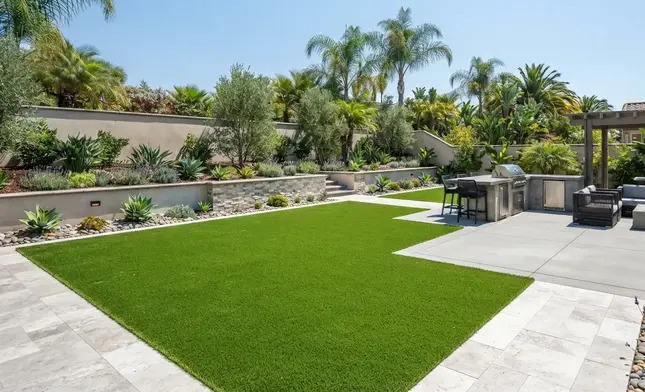
A properly engineered drainage and foundation system creates a smooth, durable artificial turf installation designed for long-term performance throughout the Inland Empire.
Ready To Build Your Artificial Turf System On A Proper Drainage Foundation?
Protect your artificial turf investment with a professionally engineered drainage and foundation system designed for Inland Empire conditions. Whether you're installing new synthetic grass, replacing a failed turf system, correcting drainage problems, or preparing a high-use landscape area, we evaluate your property's soil conditions, grading, water movement, and foundation requirements to create a stable sub-base built for long-term performance. Schedule your free consultation and receive a customized artificial turf drainage and foundation recommendation designed around your property's needs.
Call (909) 406-7718